It is one of the questions we hear most often from travellers in the United States, Canada and the United Kingdom: is Marrakech safe? The honest answer is that Marrakech is a busy, welcoming city that millions of visitors enjoy every year, and that serious problems are rare. What most travellers meet instead is hassle: insistent sellers, unofficial guides, a few well-known scams and chaotic traffic in the medina. Knowing what to expect makes all the difference. This guide explains what official travel advice says, the situations you are likely to meet and the simple habits that keep a trip relaxed.
In short: yes, Marrakech is generally safe for travellers who take normal city precautions. The U.S. State Department rates Morocco at Level 2, “exercise increased caution”, because of the risk of terrorism, the same level as many European countries. Day to day, the main issues are pickpocketing in crowded places, unofficial guides, overcharging and motorbikes in the medina lanes. Stay alert, agree prices in advance, use licensed guides and keep valuables out of sight.
What official travel advice says
Before any trip, check your government's travel advice, which is updated regularly. For Morocco, the U.S. Department of State currently uses Level 2, “exercise increased caution”, citing the risk of terrorism; it does not single out Marrakech. The UK Foreign, Commonwealth & Development Office and Global Affairs Canada also publish detailed advice for Morocco. Read them for the latest information, especially about entry requirements and local laws:
- U.S. State Department: Morocco travel advisory
- UK government: Morocco travel advice
- Government of Canada: Morocco travel advice
Moroccan authorities maintain a visible security presence in tourist areas, including a tourist police brigade around Djemaa el-Fna square. As anywhere in the world, the most useful thing you can do is stay aware of your surroundings and follow local instructions if something unusual happens.
The medina and Djemaa el-Fna
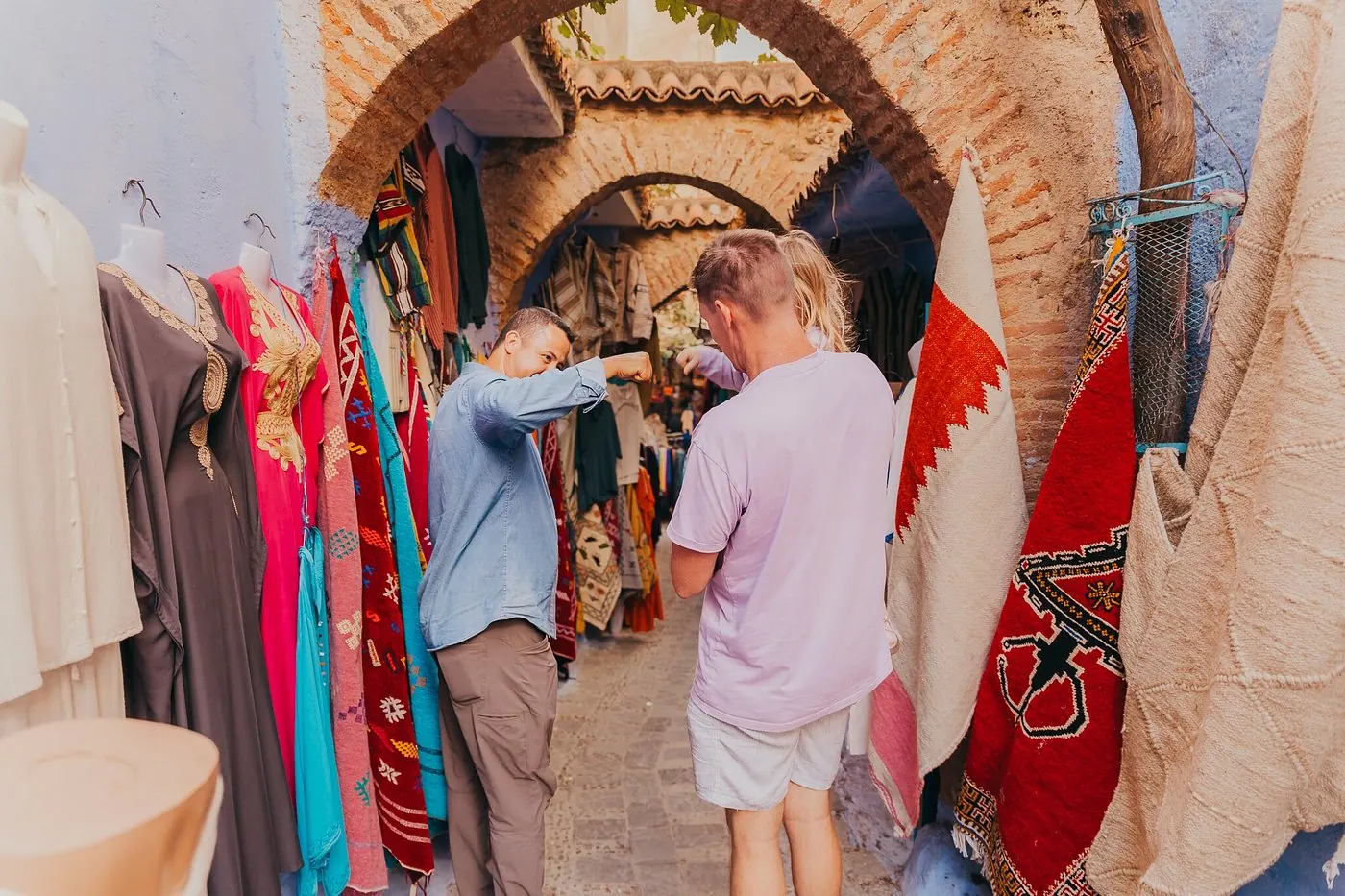
The old city of Marrakech is a maze of narrow lanes, souks and small squares, with Djemaa el-Fna at its heart. It is lively from morning to late at night, and that energy is part of its charm. It also means you need a little street sense.
- Watch your pockets in crowds. Pickpocketing is the most common crime affecting visitors, especially in the evening crowds of Djemaa el-Fna and the busiest souk lanes. Use a cross-body bag closed with a zip, and keep your phone in a front pocket.
- Look out for motorbikes. Scooters and motorbikes use the medina lanes, often fast. Walk on the side and listen for engines and for “balak”, which means “watch out”.
- Expect to be approached. Sellers, restaurant touts and people offering directions are part of medina life. A smile and a polite “la, shukran” (no, thank you) is usually enough.
- Accept that you will get lost. Maps on phones are unreliable in the lanes. Remember a landmark near your riad, and ask shopkeepers rather than people who approach you.
A licensed local guide for your first morning is the single most effective way to enjoy the medina without stress. Official guides carry a badge; they know the shortcuts, explain what you are seeing and keep unofficial “helpers” away. Our list of things to do in Marrakech suggests how to plan your days.
Common scams in Marrakech and how to avoid them
None of these are dangerous, but they can cost you money and spoil a day. Recognising them is half the battle.
“The road is closed”The classic medina detourSomeone tells you the lane ahead is closed, or that the square is “this way”, then leads you to a shop and asks for money. Thank them and keep walking; if in doubt, ask a shopkeeper.
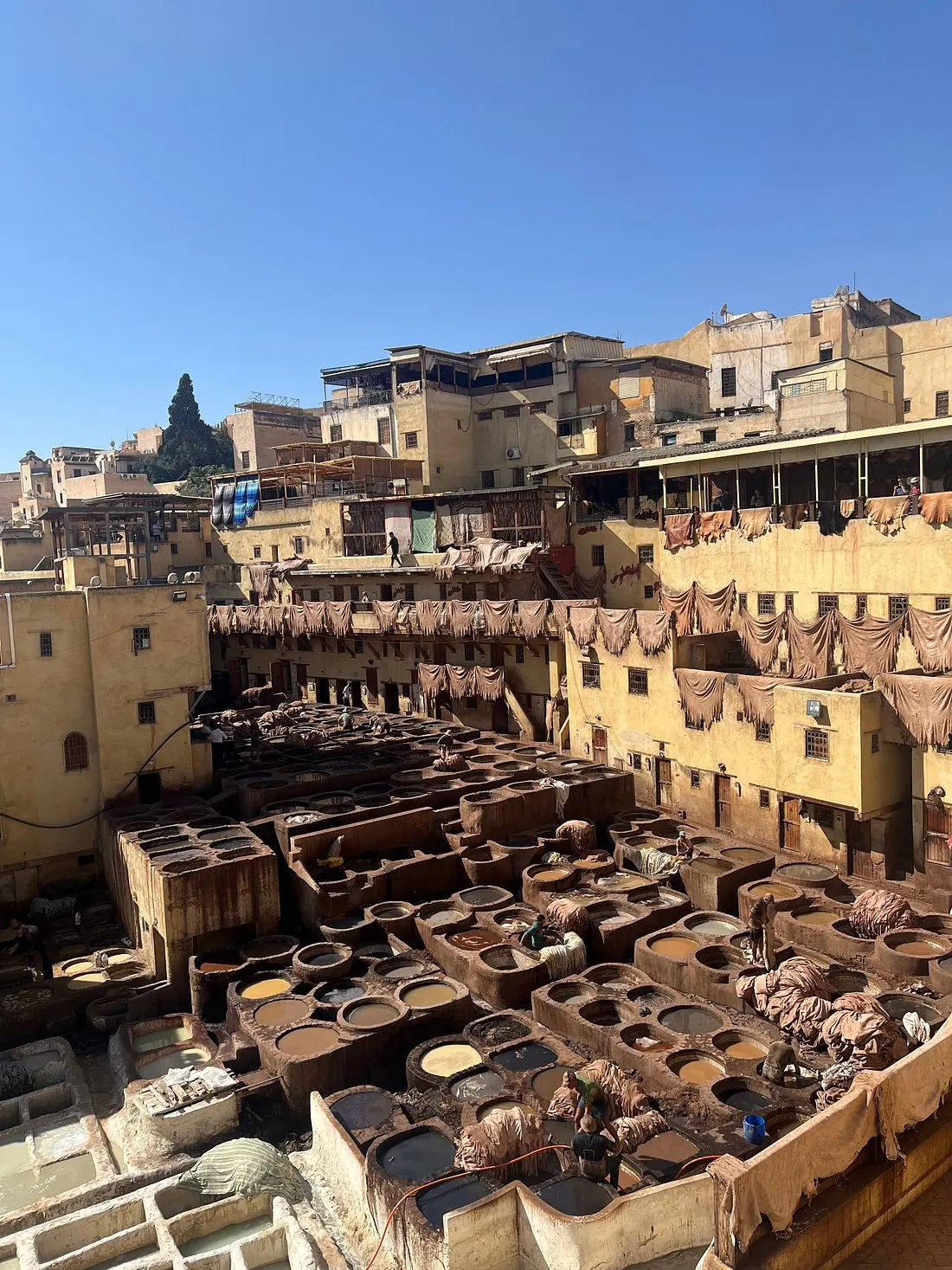
Unofficial guides to the tanneriesA free tour that is not freeFriendly strangers offer to show you the tanneries or a “Berber festival” that ends today. The visit finishes in a commission shop and a request for payment. Visit with a licensed guide instead.
Henna and photo paymentsOn Djemaa el-FnaHenna artists may start drawing on your hand before you agree, and performers ask for money for photos. Keep your hands to yourself, agree any price first, and avoid photos with chained monkeys or snakes: the animals suffer for them.
Taxis without a meterPetit taxis in the cityCity taxis should use the meter. If the driver refuses, agree the fare before you get in, or ask your riad to book a car. Airport transfers are simplest when arranged in advance.
Restaurant and food-stall billsBread, olives and extrasCheck the menu prices and ask whether bread, olives or water placed on the table are charged. Check the bill before paying, calmly and politely.
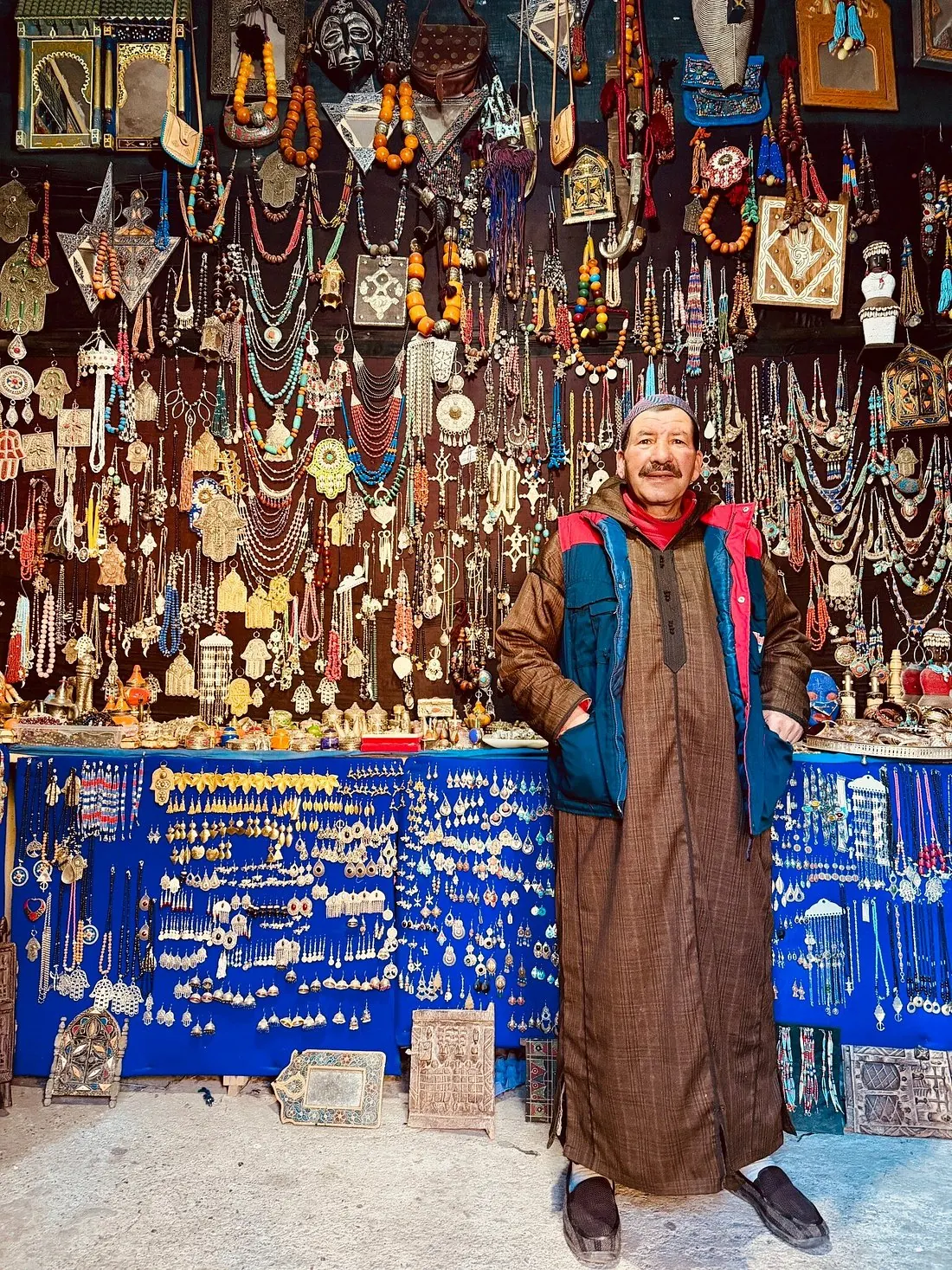
Bargaining in the souks is normal and expected, and it is not a scam. Decide what an item is worth to you, offer less, and enjoy the conversation. If you do not want to buy, say so early and move on. Our article on tipping in Morocco explains who expects a tip and how much.
Is Marrakech safe for women?
Many women travel to Marrakech alone or with friends and have a wonderful time. The most common issue is unwanted attention: comments, compliments or men walking alongside for a few steps. It is usually verbal and stops when ignored.
- Dress modestly in the medina, with shoulders and knees covered. It reduces attention and is respectful. See what to wear in Morocco.
- Walk with purpose, avoid long conversations with strangers and do not feel obliged to reply.
- Choose a well-reviewed riad in a central area, and ask the staff to walk you to the main square the first evening if you are unsure of the way.
- Use booked transport at night rather than walking back through quiet lanes.
- Ask for help. Shopkeepers, families and riad staff are usually quick to help a visitor who is being bothered.
Families and older travellers
Marrakech is a very family-friendly city. Moroccans love children, and families are welcomed in restaurants and riads. The main challenges are practical rather than safety-related: busy lanes, motorbikes, heat in summer and long walking distances. Use a carrier rather than a pushchair in the medina, plan rest breaks in the middle of the day and keep children close in crowds. For older travellers, a private driver and a guide make the city far more comfortable. Our family tours and tours for seniors are paced with this in mind.
LGBTQ+ travellers
LGBTQ+ travellers visit Marrakech every year and are welcome with us. It is important to know that same-sex relations are illegal under Moroccan law, and that public displays of affection are uncommon for everyone, whatever their orientation. In practice, discretion in public spaces is the norm for all couples. Riads and hotels are generally professional and private, and a guide who knows you can help you choose welcoming places. If you have any questions before booking, ask us privately: we will answer honestly.
Marrakech at night
Djemaa el-Fna is at its liveliest after dark, with food stalls, musicians and storytellers, and it is busy with families until late. The main square and the large avenues are well lit. The quieter residential lanes of the medina are dark and can feel confusing at night, so plan your route back to your riad, walk with others, or ask your riad to send someone to meet you. Keep your phone charged and save your riad's phone number and location before going out.
Food, water and health
- Drink bottled or filtered water, and be cautious with ice and raw salads in the first days if you have a sensitive stomach.
- Choose busy food stalls where food is cooked fresh in front of you.
- Protect yourself from the sun from spring to autumn: hat, sunscreen and plenty of water.
- Take travel insurance that covers medical care. Private clinics in Marrakech are good, but treatment must usually be paid upfront.
Emergency numbers in Morocco
Save these numbers in your phone before you travel. According to the U.S. State Department, they are:
- Police: 190 (19 from a landline)
- Ambulance: 150 (15 from a landline)
- Royal Gendarmerie (outside cities): 177
Keep your embassy's contact details too, and the phone number of your riad and your tour company. If you travel with us, your driver and our team are reachable throughout your trip.
How we keep your trip stress-free
Most of the worries above disappear when someone local takes care of the logistics. On our private Morocco tours, you are met on arrival, travel with your own driver, and visit the medinas with licensed local guides who know the city. Read how a private driver in Morocco works, and for the country as a whole, our honest guide is Morocco safe to visit?
“Marrakech asks for a little patience in the first hour. After that, most travellers stop noticing the noise and start noticing the people.”
For more first-time advice, see our Morocco travel tips.
Planning your trip? Browse our tours from Marrakech, then send us your dates or message us on WhatsApp with any question about safety. We will answer honestly.