Morocco rewards the curious and confuses the unprepared. Most of the stress first-time visitors feel comes from small things nobody explained: how much to tip, how to say no politely, what to wear in a village. Here are the fifteen tips I give every guest before they land.
Money and costs
1. The dirham stays in Morocco. The Moroccan dirham (MAD) is a closed currency, so you get it after you arrive — from ATMs, which are easy to find in cities, or from exchange offices. Keep some cash for the countryside, where cards are rarely accepted.
2. Carry small notes. Taxis, cafés, tips and small purchases are much easier with 20 and 50 dirham notes than with a 200.
3. Tipping is part of the culture. Around 10% in restaurants is appreciated, small coins for car-park attendants and porters, and a tip for guides and drivers at the end of a tour if you are happy with the service.
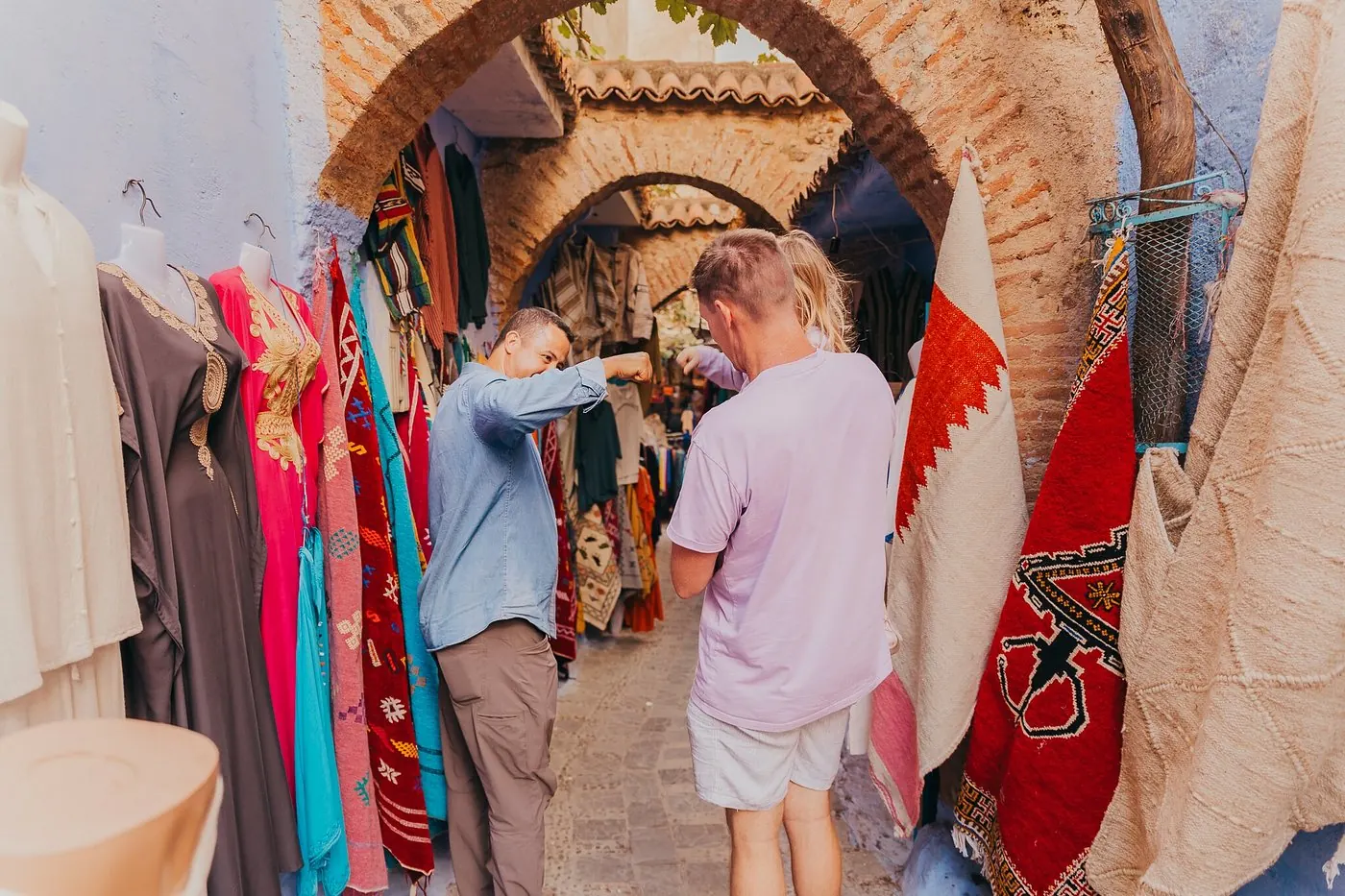
4. Haggling is expected in the souks — not everywhere. In the markets, the first price is an opening line. Stay smiling, decide what the item is worth to you, and walk away politely if you do not agree. In shops with fixed price tags, supermarkets and restaurants, there is no haggling.
Respect and customs
5. Dress respectfully. There is no legal dress code for visitors, but in medinas, villages and the countryside, covering shoulders and knees is respectful and attracts less attention. In beach towns and modern districts, dress is more relaxed.
6. Ask before you photograph people. Many Moroccans, especially in the countryside, prefer not to be photographed. A smile and a gesture toward your camera is enough to ask. Some performers in the main squares expect a small payment.
7. Most mosques are closed to non-Muslims. The great exception is the Hassan II Mosque in Casablanca, which offers guided visits. Elsewhere, admire the architecture from outside, and visit the old madrasas (Koranic schools) — many are open to everyone.
8. Learn a few words. Salam alaikum (hello), shukran (thank you) and la, shukran (no, thank you) go a long way. Moroccans speak Darija (Moroccan Arabic) and Tamazight (Berber); French is widely spoken, and English is increasingly common in tourism.
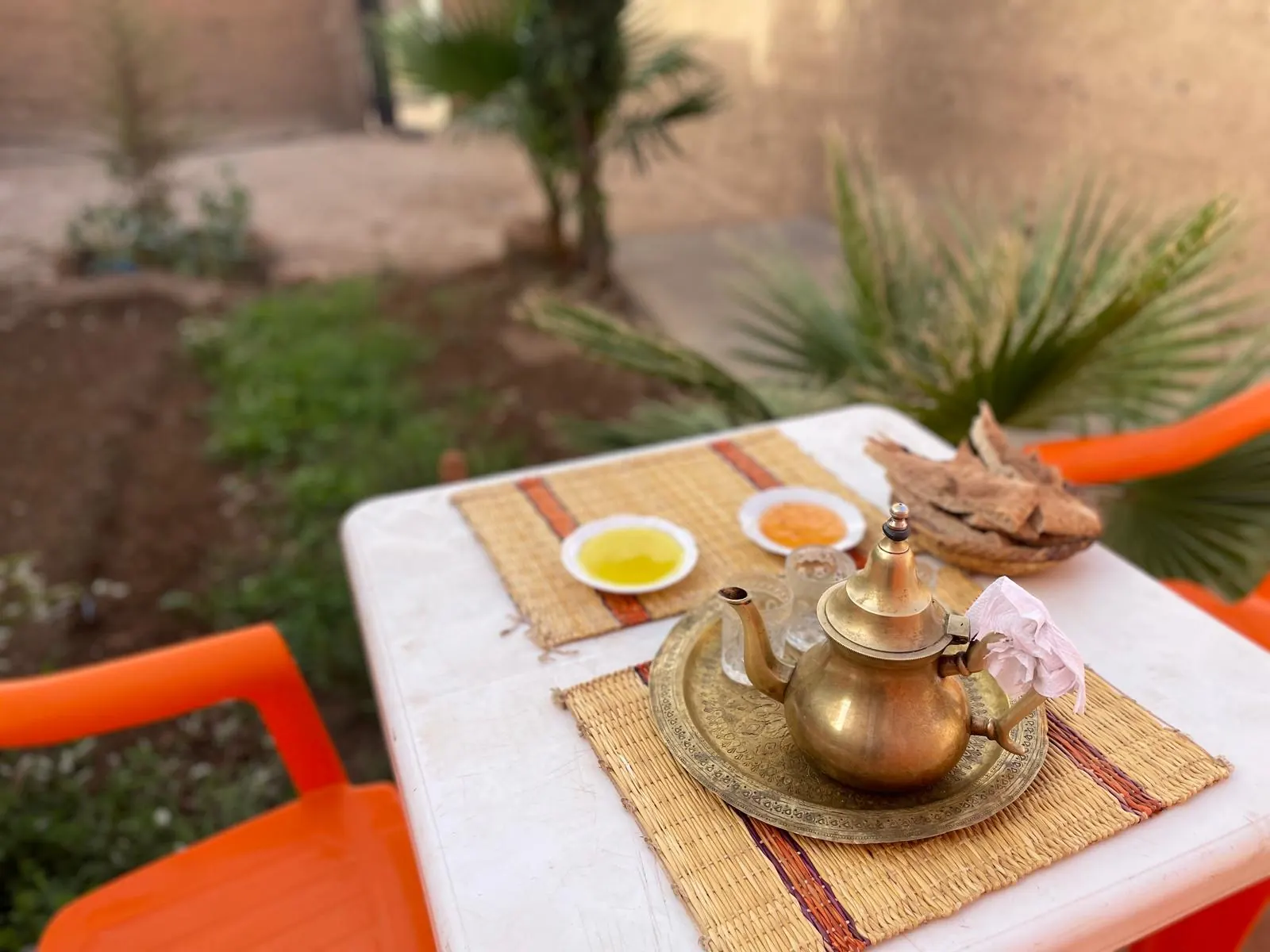
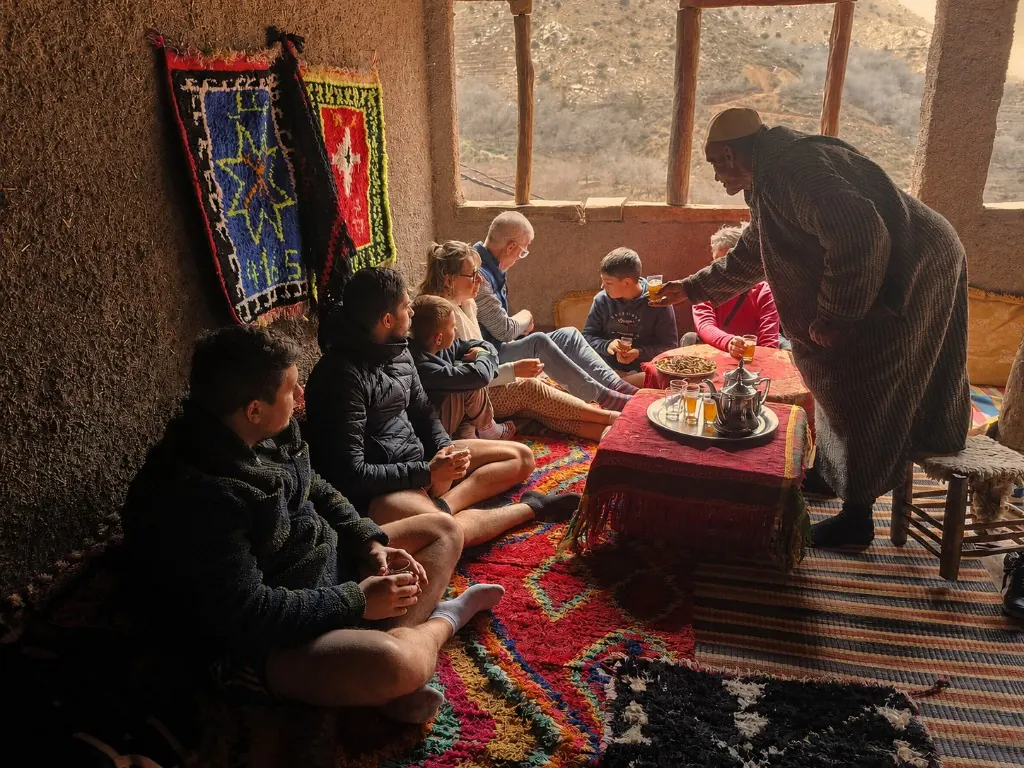
9. Accept the tea. Being offered mint tea is a gesture of welcome, not a sales tactic — though in shops it can be both. Read about the ritual behind Moroccan mint tea.
Ramadan and holidays
10. Check if your dates fall during Ramadan. The holy month moves about eleven days earlier each year. During Ramadan, many Moroccans fast from dawn to sunset; some restaurants close during the day outside tourist areas, and the evenings are festive. Travelling then is perfectly possible and often very special — just eat and drink discreetly in public during the day. Our best time to visit Morocco guide explains how it affects a trip.
Getting around
11. In medinas, maps lie. GPS struggles in narrow alleys. Pin your riad, take a photo of the nearest landmark, and do not be embarrassed to ask a shopkeeper rather than accepting help from someone who approaches you in the street. For your first day, a guided walk through the Marrakech medina saves a lot of energy.
12. Agree on taxi prices or insist on the meter. Small city taxis (petits taxis) should use the meter; if the driver refuses, agree the price before you get in.
13. Distances are longer than they look. Mountain roads make journeys slow. Marrakech to the Sahara is a two-day trip, not a day trip — read our Marrakech to Merzouga route guide before you plan.
Health and safety
14. Drink bottled or filtered water. Tap water is treated in cities, but most visitors prefer bottled water to avoid upset stomachs. Be careful with salads washed in tap water during your first days.
15. Read the official advice, then relax. Morocco is a welcoming country, and the main issues visitors face are hassle and petty scams rather than danger. Check the latest advice from your government — for example the UK Foreign Office advice for Morocco — take out travel insurance, and read our honest answer to whether Morocco is safe to visit. The official Morocco tourism website is also a good source for events and regions.
“Come with patience and a sense of humour, and Morocco will give you more than you came for.”
Frequently asked questions
Do I need cash in Morocco?
Yes. Cards are accepted in many hotels and restaurants in cities, but cash in dirhams is essential for souks, taxis, tips and the countryside.
How much should I tip in Morocco?
Around 10% in restaurants, small change for porters and attendants, and a tip at the end of a tour for guides and drivers if you are happy with their service.
What should women wear in Morocco?
There is no legal dress code, but loose clothing covering shoulders and knees is respectful in medinas and villages and helps avoid unwanted attention.
Can tourists visit Morocco during Ramadan?
Yes. Most tourist services operate normally. Some restaurants close during the day outside tourist areas, and visitors should eat and drink discreetly in public.