Marrakech is the city most travellers see first in Morocco, and it can feel overwhelming in the first hour: motorbikes in narrow lanes, the call to prayer rising over the rooftops, smoke from the food stalls, and a thousand shops that all seem to sell the same lamp. Give it two or three days, and a little local knowledge, and it becomes one of the most rewarding cities in the world. This guide brings together the things to do in Marrakech that we recommend to our own guests, how much time each one needs, and the practical tips that make the difference between a stressful visit and a memorable one.
The short answer
If you only have a short stay, these are the essentials:
- Walk the medina and the souks, ideally with a local guide on your first morning.
- Spend an evening on Jemaa el-Fna square, when the food stalls and storytellers take over.
- Visit one palace and one madrasa: the Bahia Palace and the Ben Youssef Madrasa are the best pair.
- Book the Jardin Majorelle in advance and go at opening time.
- Try a hammam, a cooking class or both.
- Leave the city for half a day: a balloon flight at sunrise, a camel ride in the Palm Grove or a sunset in the Agafay desert.
The medina and its monuments
The walled old city of Marrakech, founded in the 11th century by the Almoravids, is listed as a UNESCO World Heritage Site. Almost everything on this first list is within walking distance of everything else, which is why it is worth staying inside or close to the medina walls.
1. Get lost (on purpose) in the souks
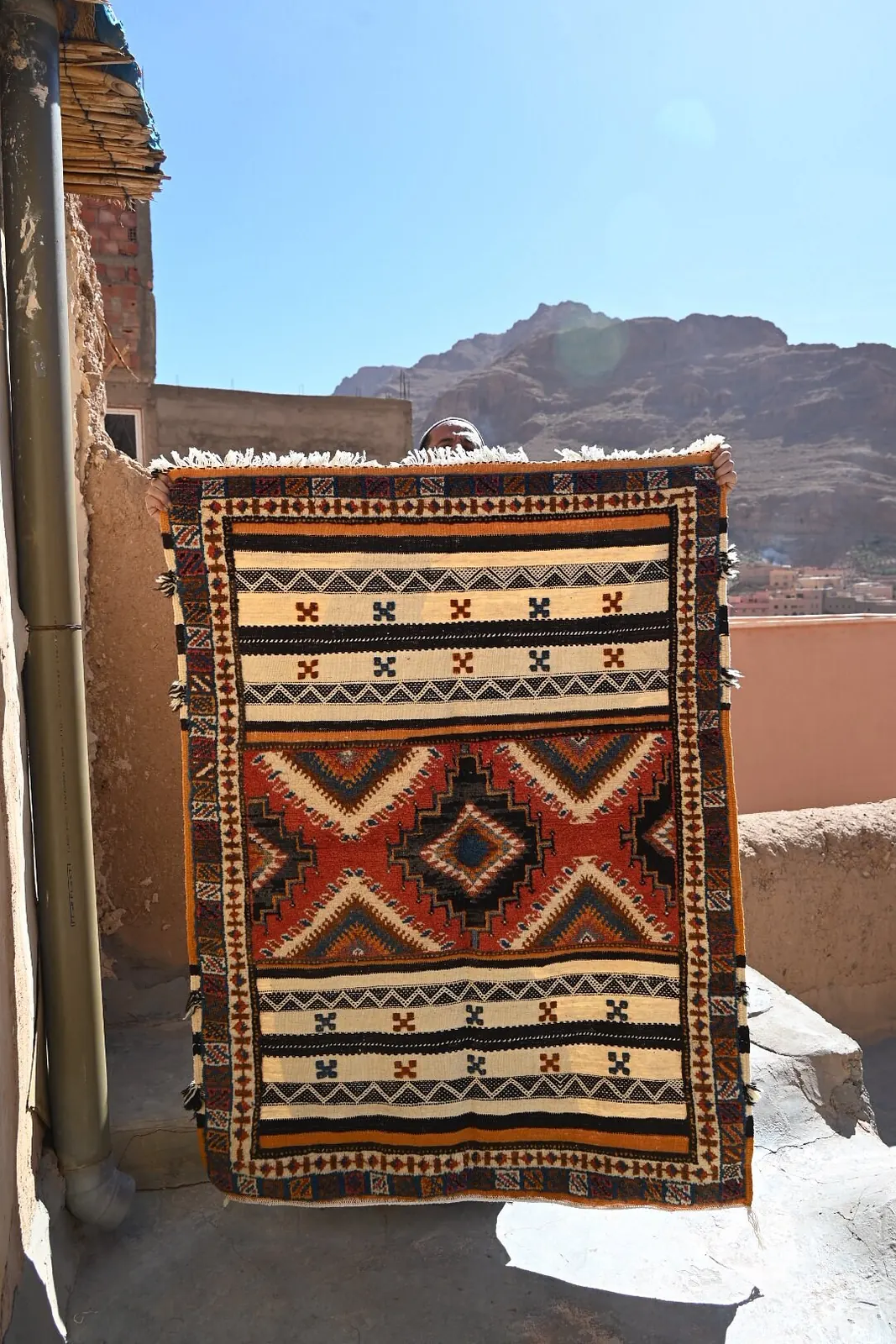
North of Jemaa el-Fna, the souks spread out in a maze of covered lanes, each traditionally dedicated to a craft: leather, brass lanterns, carpets, spices, wooden boxes, slippers. The real pleasure is not shopping but watching the artisans at work, often in workshops no bigger than a wardrobe. Go in the morning, when the lanes are calmer and the shopkeepers are only just opening. If you want to understand what you are looking at, and shop without pressure, our Marrakech medina and souks walking tour is the easiest way to start.
2. Spend an evening on Jemaa el-Fna
The great square of Marrakech changes completely through the day. In the morning it is almost empty, with orange-juice sellers and a few henna artists. From late afternoon, rows of food stalls are set up, smoke rises over the grills, and musicians, storytellers and performers gather crowds. UNESCO recognises the cultural space of the square as part of the world's intangible heritage, for exactly these oral traditions. Watch the sunset from one of the café terraces around the square, then walk down among the stalls for dinner.
Local tip: photographing performers, snake charmers or monkey handlers will usually be followed by a request for money. If you do not want to pay, do not take the photo. We also recommend not paying for photos with chained monkeys, as this encourages the trade.
3. See the Koutoubia Mosque
The minaret of the Koutoubia, built in the 12th century under the Almohads, is the landmark of the city and the model for later minarets across the region. Non-Muslims cannot enter the mosque, but the gardens around it are pleasant at any time and the minaret is beautiful when it is lit up at night. It is also the easiest way to find your bearings: from almost anywhere near the square, you can see it.
4. Visit the Bahia Palace
Built in the late 19th century for the grand vizier of the sultan, the Bahia Palace is a succession of courtyards, painted cedar ceilings, carved stucco and zellige tilework. It is the best place in Marrakech to see traditional Moroccan decoration on a grand scale. It is popular, so arrive early, or late in the afternoon when the tour groups have gone.
5. Discover the Ben Youssef Madrasa
This former Quranic college, completed in the 1560s under the Saadian dynasty, has one of the most beautiful courtyards in Morocco: a long reflecting pool surrounded by carved cedar, stucco and tiles, with tiny student rooms on the upper floor. After a long restoration it reopened to visitors in 2022. If you will also visit Fes, compare it with the madrasas there; our guide to the Fes medina explains what to look for.
6. Explore the Saadian Tombs and the El Badi Palace
In the kasbah district, the Saadian Tombs hold the burial chambers of the 16th-century Saadian rulers, with an extraordinary Hall of the Twelve Columns. Sealed off for centuries, they were rediscovered in the early 20th century. A few minutes' walk away, the ruins of the El Badi Palace give a different feeling: vast empty courtyards, sunken gardens, and storks nesting on the walls. Climb to the terrace for one of the best views over the medina.
7. Walk through the Mellah
The Mellah, the historic Jewish quarter next to the Bahia Palace, has a different architecture, with balconies open to the street, and a quieter atmosphere. The Lazama synagogue and the old Jewish cemetery are reminders of the important Jewish community that lived in Marrakech for centuries. The spice square nearby is a good place to stop.
8. Look at the tanneries, with realistic expectations
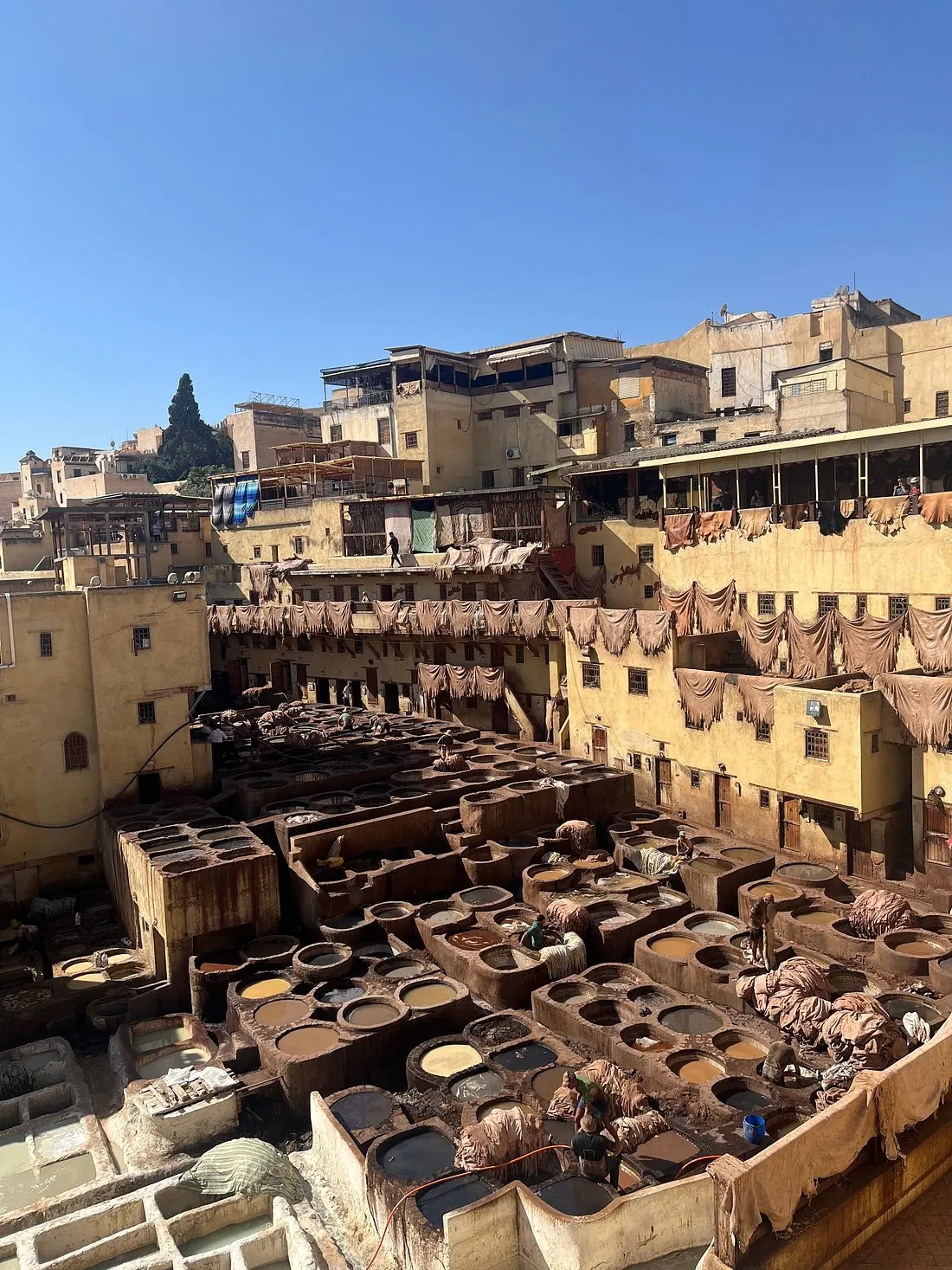
Near Bab Debbagh, in the north-east of the medina, leather is still treated in stone vats, as it has been for centuries. It is a striking sight, but also the area where visitors are most often approached by unofficial "guides". The Marrakech tanneries are smaller than the famous Chouara tannery in Fes; if you will visit Fes, you can keep this experience for later.
Gardens and museums
When the medina becomes too intense, the gardens of Marrakech are where locals and visitors go to breathe.
9. Jardin Majorelle and the Yves Saint Laurent Museum
Created by the French painter Jacques Majorelle and later saved and restored by Yves Saint Laurent and Pierre Bergé, the garden is famous for its cobalt-blue villa, its cacti and its bamboo groves. Inside, the Pierre Bergé Museum of Berber Arts presents jewellery, textiles and objects from across Morocco, and is often overlooked. Next door, the Musée Yves Saint Laurent Marrakech, opened in 2017, is dedicated to the designer's work.
Tickets are sold for timed entry on the official Jardin Majorelle website, which the foundation describes as the only official place to buy them. Book a few days ahead in high season and choose the first slot of the day.
10. Le Jardin Secret
Hidden in the heart of the medina, this restored riad garden is a small, calm world of fountains, Islamic garden design and exotic plants. It is the perfect break between the souks and the Ben Youssef Madrasa, and its tower gives a lovely view over the rooftops.
11. The Menara Gardens
Olive groves around a large basin with a pavilion, and, on a clear day in winter or spring, the snow-capped High Atlas in the background. It is less spectacular inside than the Majorelle, but it is where many Marrakchi families come for a walk, and the view is the classic postcard of the city.
12. Dar El Bacha and the city's smaller museums
Dar El Bacha, a former pasha's residence turned into the Museum of Confluences, combines rich decoration with temporary exhibitions. Together with the Maison de la Photographie, which shows historic photographs of Morocco, it is ideal for a hot afternoon.
Local experiences
Sights are only half of Marrakech. The things travellers tell us they remember most are often the simplest experiences.
13. Take a Moroccan cooking class
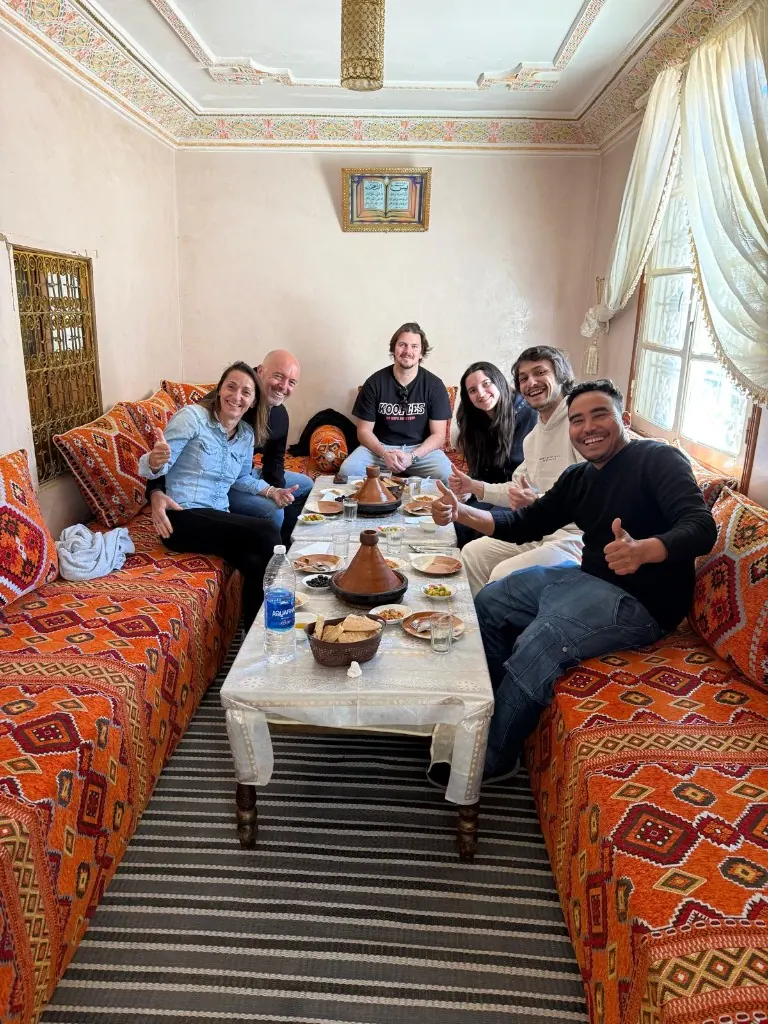
Shopping for spices, learning to build a tagine and finishing with a shared meal is one of the best ways to understand Moroccan family life. Our Moroccan cooking class with a local family is popular with couples and families alike.
14. Try a hammam
The hammam is part of daily life in Morocco. You can choose between a simple neighbourhood hammam, which is an authentic experience but not always easy for first-time visitors, and a spa hammam in a riad or hotel, with a gommage (exfoliation with black soap and a scrub glove) and a massage. Either way, it is the perfect way to end a day of walking.
15. Drink mint tea on a rooftop
Marrakech is a city to see from above. At the end of the afternoon, find a rooftop café, order a pot of mint tea and watch the light change on the walls and the Koutoubia. Our article on Moroccan mint tea explains the ritual behind every glass.
16. Stay in a riad
A riad is a traditional house built around an inner courtyard. From the lane, you see only a plain wall and a door; inside, there is calm, a fountain or a pool and rooms opening onto the patio. Sleeping in a riad inside the medina is an experience in itself.
17. Explore Gueliz, the modern city
Outside the walls, the Gueliz district built in the 20th century has wide avenues, galleries, concept stores and modern restaurants. It shows another side of Moroccan life, and it is where you will find the Jardin Majorelle.
Just outside the city
Some of the best things to do in Marrakech actually happen a short drive from the medina.
18. Fly in a hot air balloon at sunrise
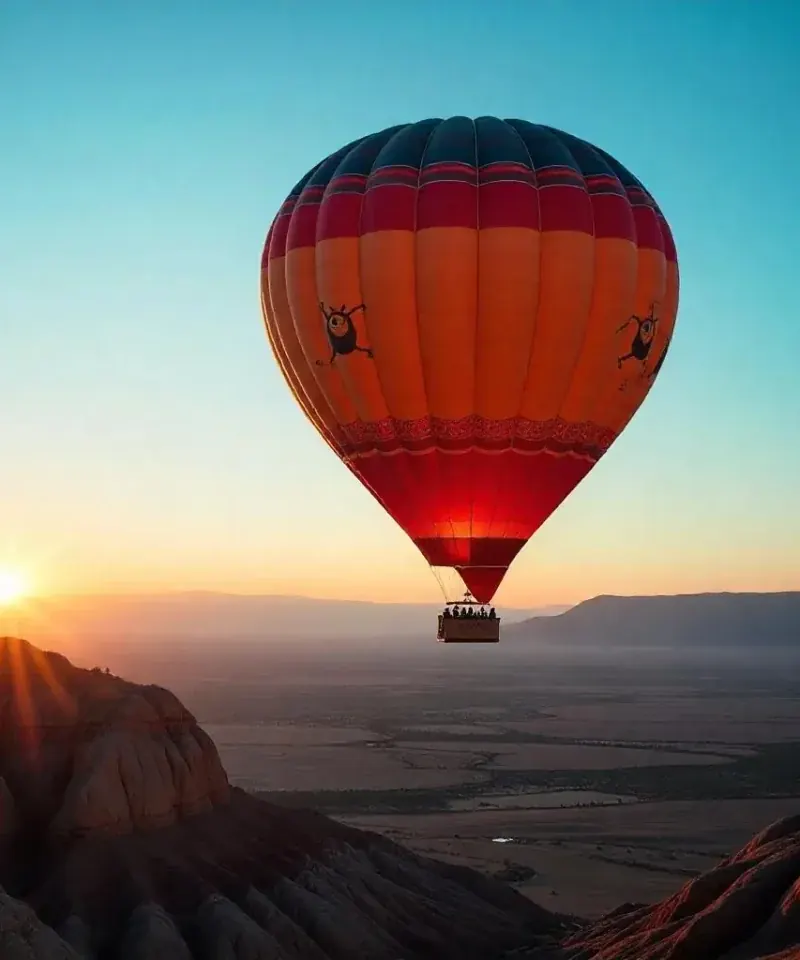
An early start, then silence, as you drift over villages and the edge of the desert while the sun rises behind the Atlas. It is one of the most beautiful mornings you can have in Morocco. See our sunrise hot air balloon experience.
19. Ride a camel in the Palm Grove
The Palmeraie, on the northern edge of the city, is perfect for a gentle first camel ride, especially in the golden light of late afternoon and with children. See our sunset camel ride in the Palm Grove.
20. Watch the sunset in the Agafay desert
About 45 minutes from Marrakech, the stony hills of Agafay offer wide open space, camel rides, quad biking and dinner under the stars. It is not the Sahara, and we explain the difference in Agafay vs Merzouga, but it is a magical evening. See our Agafay desert and sunset experience.
For longer escapes, to the Atlas Mountains, the Ourika Valley, the Ouzoud Waterfalls or Essaouira, read our selection of the best day trips from Marrakech.
At a glance: how much time each visit needs
These are approximate times for an unhurried visit, not counting travel or queues.
| Experience | Time to allow | Best moment |
|---|---|---|
| Souks of the medina | 2–4 hours | Morning |
| Jemaa el-Fna | 1–3 hours | Sunset and evening |
| Bahia Palace | 1 hour | Opening time or late afternoon |
| Ben Youssef Madrasa | 45 minutes–1 hour | Morning |
| Saadian Tombs + El Badi Palace | 1.5–2 hours | Morning |
| Jardin Majorelle + museums | 1.5–3 hours | First time slot |
| Cooking class | Half a day | Morning or evening |
| Hammam | 1–2 hours | End of the day |
| Hot air balloon | Early morning | Sunrise |
| Agafay desert | Afternoon and evening | Sunset |
How many days do you need in Marrakech?
Two full days are enough to see the main monuments, the souks and the square without rushing. Three days let you add a cooking class, a hammam and an experience outside the city. With four days or more, add a day trip to the mountains or the coast, or, better, continue into the south of Morocco. Most of our guests use Marrakech as the starting point of a desert journey: our guide 2, 3 or 4 days? How to choose a desert tour from Marrakech will help you decide.
A simple 3-day plan
Day 1: the heart of the medina
Start with a guided walk through the souks, the Ben Youssef Madrasa and Le Jardin Secret. Rest in your riad in the early afternoon, then walk to Jemaa el-Fna for the sunset from a terrace and dinner at the food stalls.
Day 2: palaces and gardens
Be at the Jardin Majorelle for the first time slot, then head south to the Bahia Palace, the Mellah, the El Badi Palace and the Saadian Tombs. End the day with a hammam.
Day 3: beyond the walls
Choose a sunrise balloon flight or a morning cooking class, relax in the afternoon, and finish with a sunset in the Agafay desert or a camel ride in the Palm Grove.
Practical tips and mistakes to avoid
When to visit Marrakech
Spring (March to May) and autumn (September to November) are the most comfortable seasons. Summer is very hot, often above 40°C in July and August, so plan visits early and late in the day. Winter days are generally sunny and mild, but nights are cold. Our month-by-month guide to the best time to visit Morocco has the details.
Getting around
The medina is best explored on foot; many lanes are too narrow for cars. Petit taxis are the easiest way to reach Gueliz, the Majorelle or the station; agree the fare or ask for the meter before you set off. Wear comfortable, closed shoes: see our advice on what to wear in Morocco.
Mistakes to avoid
- Following "helpful" strangers who say a street is closed or offer to show you the tanneries. Politely say no thank you and keep walking, or use your map.
- Trying to see everything in one day. Marrakech is intense; plan a rest in the afternoon.
- Arriving at the Majorelle without a ticket in high season.
- Shopping on the first day. Look first, compare, and buy later, when you have a feeling for prices.
- Not carrying cash. Small shops, taxis and food stalls often only accept dirhams in cash.
Bargaining without stress
Bargaining is normal in the souks, and it should stay friendly. Decide what an object is worth to you before asking the price, make a reasonable offer, smile, and do not feel obliged to buy once you have started discussing. Walking away politely is perfectly acceptable. You will find more advice in our 15 Morocco travel tips for first-time visitors.
Is Marrakech safe?
Marrakech is generally a safe city for visitors, including women and families. The main issues are petty theft in crowded places and persistent touts. Keep your phone and wallet in a closed bag and stay relaxed. Read our honest answer to Is Morocco safe to visit?
“Marrakech does not reveal itself to people in a hurry. Walk slowly, sit down for tea, say hello in the lanes, and the city opens its doors.”
Marrakech is the gateway to the High Atlas, the kasbahs of the south and the dunes of the Sahara. Browse all our tours from Marrakech, discover the 3 day desert tour from Marrakech to Merzouga, or explore our day trips from Marrakech. If you would like help planning your days in the city or beyond, contact our team; we are always happy to answer questions on WhatsApp.