August is the month when all of Morocco seems to be on holiday. Families from Marrakech and Fes head for the coast, Moroccans who live in Europe come home for the summer, weddings fill the weekends and the evenings are long and noisy in the best way. It is also, with July, the hottest month of the year inland and in the Sahara. If August is the only time you can travel, you can still have a wonderful trip; it just needs a different plan from spring or autumn.
In short: August is very hot inland, around 36 to 37°C by day in Marrakech and Fes and low 40s in the Sahara, and pleasant on the Atlantic coast, around 27°C in Essaouira, where the sea is at its warmest. The coast and the roads are busy with Moroccan holidaymakers. Book the coast early, keep the desert to sunset and sunrise, and use the mountains to cool down.
Is August a good time to visit Morocco?
August is not the most comfortable month for a classic tour of the imperial cities and the desert. But it has its own atmosphere, and for many travellers it is the month that fits school holidays and work. Here is the honest balance:
- For: long sunny days, very little rain, the warmest sea of the year, lively evenings and a strong local holiday atmosphere.
- Against: intense heat inland and in the desert, busy beaches and roads, and higher demand for coastal hotels.
The trick is to build your trip around the coolest places and the coolest hours, rather than trying to see everything in the middle of the day.
Morocco weather in August, region by region
Typical averages; heatwaves with higher temperatures are possible inland.
MarrakechAround 36–37°C by day, about 20–21°C at nightVery hot and dry, with almost no rain. The evenings in the squares and on the terraces are the highlight.
FesAround 36°C by day, about 21°C at nightAs hot as Marrakech. Visit the medina in the morning, when the lanes are still cool.
Sahara (Merzouga)Low 40s by day, high 20s at nightExtremely hot in the afternoon and warm all night. Sunset and sunrise are the moments for the dunes.
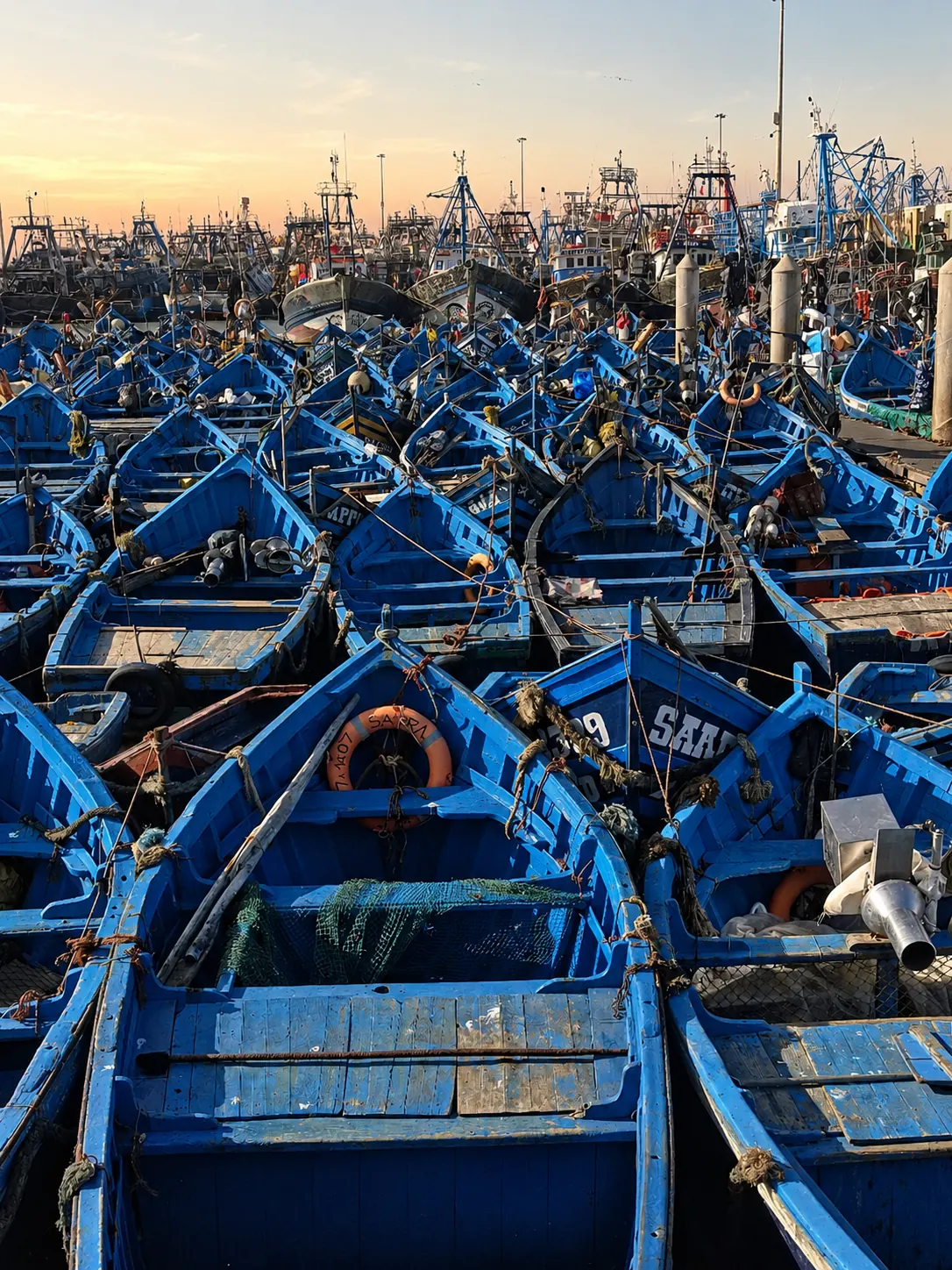
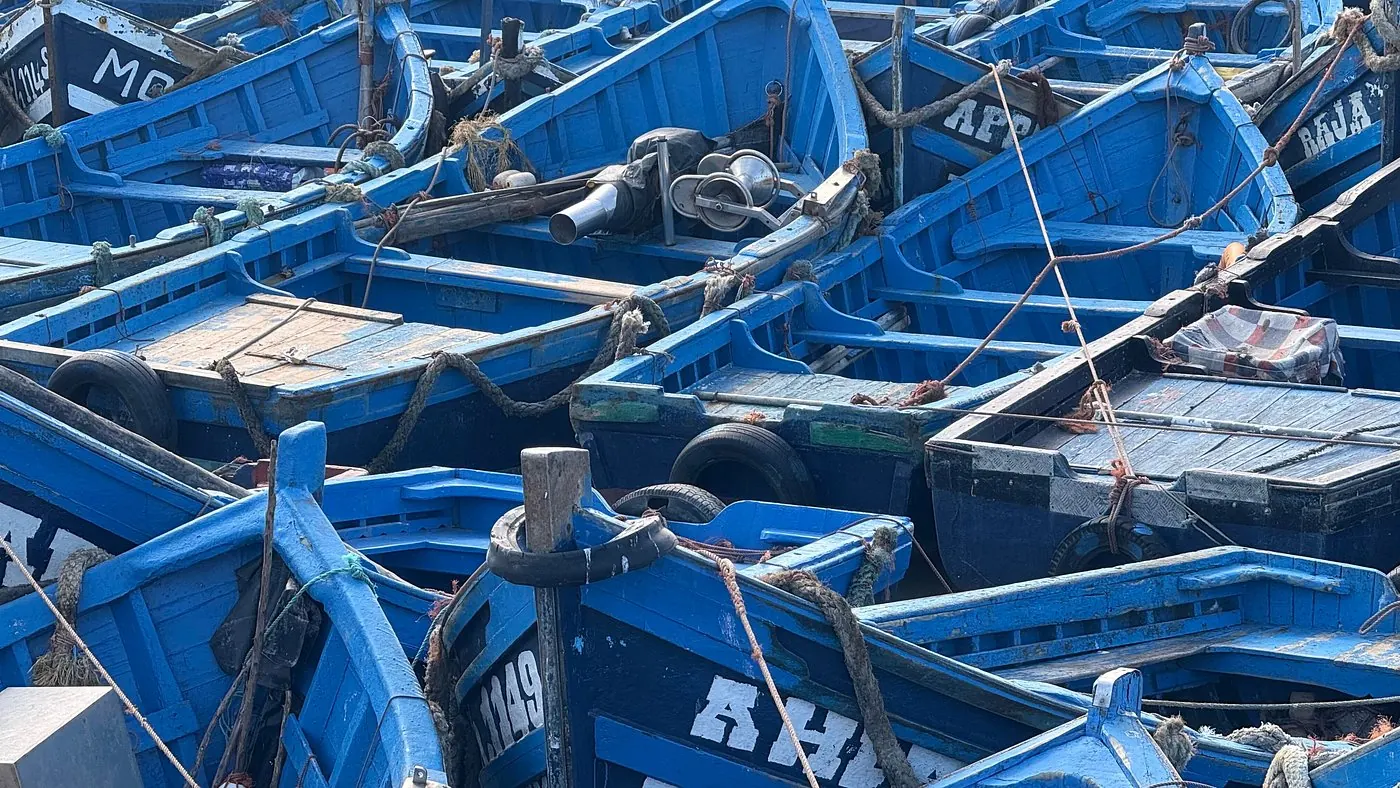
Essaouira and the Atlantic coastAround 27°C by day, about 21°C at nightWarm, sunny and breezy, with the warmest sea of the year. Busy with Moroccan families.
High AtlasWarm valleys, cool nights at altitudeThe best natural refuge from the heat. Short afternoon thunderstorms are possible.
For the desert month by month, see our Merzouga weather guide.
The Sahara in August
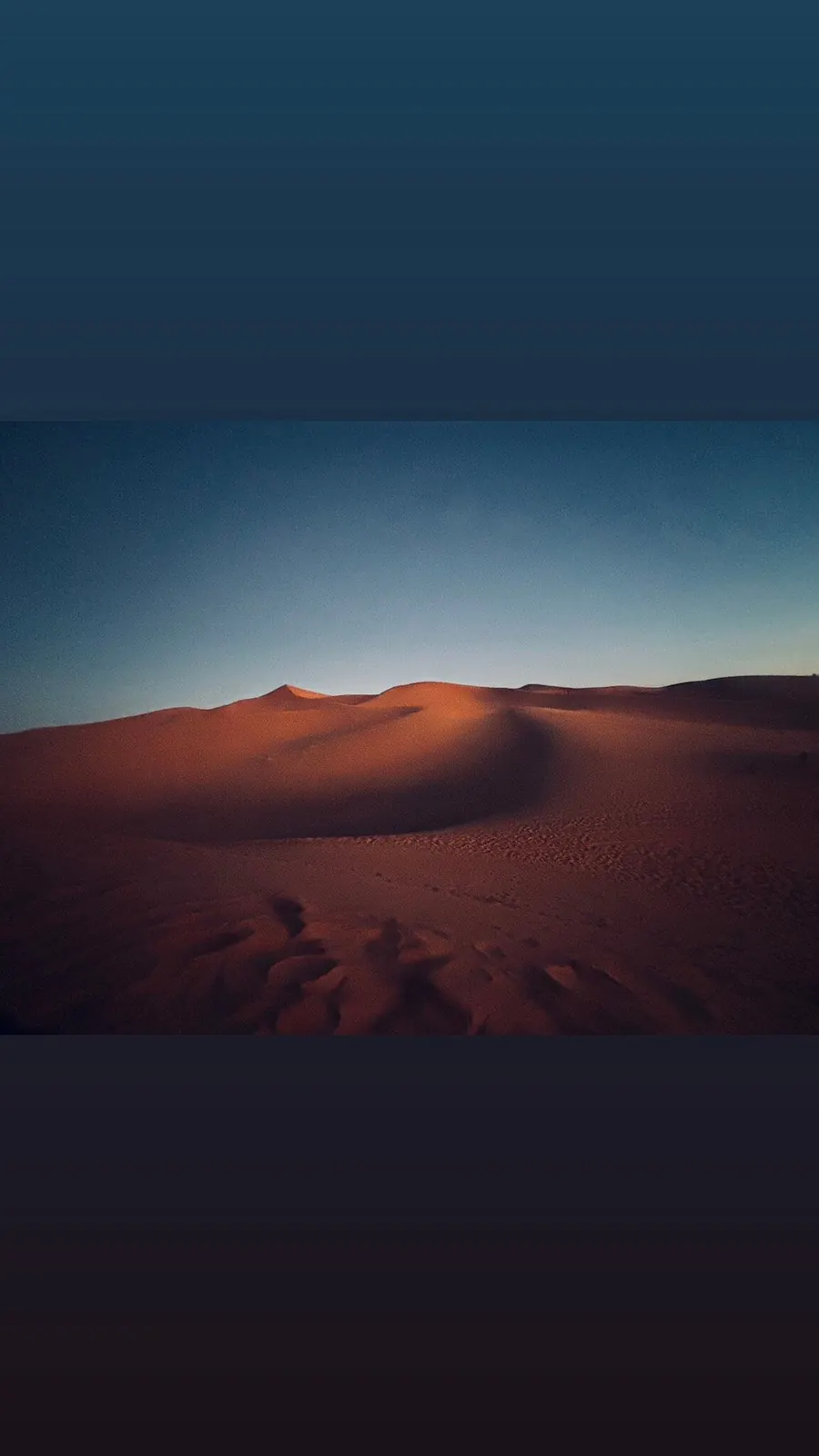
The desert in August is for travellers who accept the heat in exchange for an unforgettable evening and morning. The day is organised around it: an early departure, air-conditioned driving with stops in the shade, a long rest when you arrive, then the camel ride into the Erg Chebbi dunes when the sun is low. The night is warm, the stars are bright and the sunrise is the best moment of the day.
Our advice for August:
- Choose a route with shorter driving days. The 4 day desert tour from Marrakech spreads the distance more gently than a 3 day trip.
- Keep it to one or two nights in the desert region.
- Consider closer deserts. The Zagora desert is reachable in a day from Marrakech, and the Agafay desert is only about 30 minutes away for a sunset evening.
Compare the options in the desert in Morocco, our overview of Merzouga, Erg Chigaga, Zagora and Agafay.
The Atlas and Toubkal in August
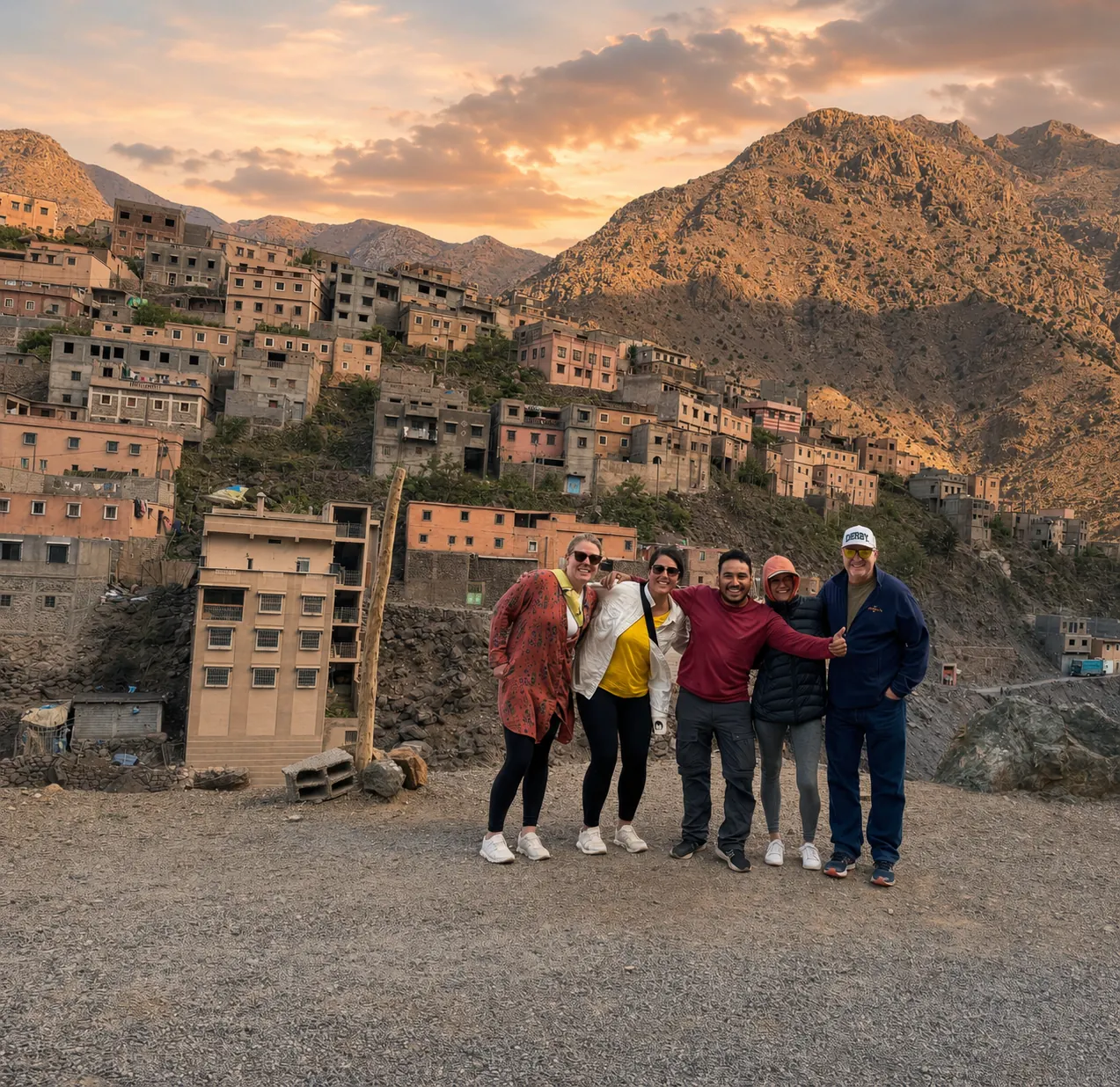
August is a popular month in the High Atlas. The trails are free of snow, the villages around Imlil are green and cool compared with Marrakech, and the summit of Toubkal is accessible without winter equipment. It is also busy: the refuge below the summit is at its fullest, so book well ahead.
Start every walk early. Afternoon storms can build quickly over the peaks in summer, and the sun is strong at altitude. See our guide to climbing Toubkal, the 3 day Toubkal trek and the gentler 3 day Atlas village trek. Even without trekking, a night in a mountain village is the most pleasant way to escape the heat of the plains.

The coast in August
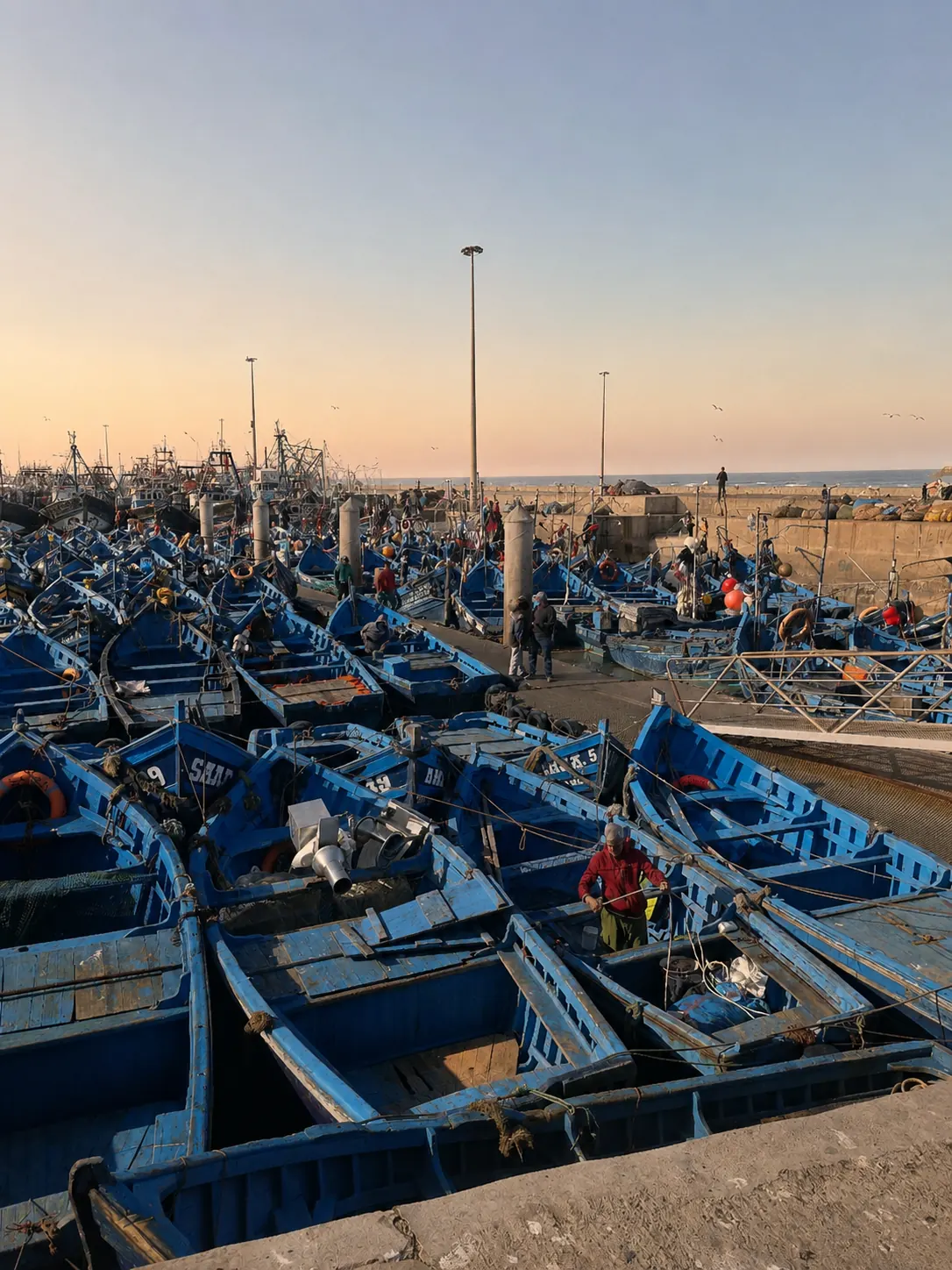
August is the high season of the Moroccan coast. In Essaouira, the medina, the port and the beach are lively from morning to late evening, and the trade winds keep the temperature pleasant. The water is at its warmest of the year, though the Atlantic stays fresh compared with the Mediterranean.
Because the coast is where Moroccan families spend their holidays, hotels and riads fill up early. If you want a few days by the sea, book them first and build the rest of the trip around them. A day trip to Essaouira from Marrakech is an easy alternative if you are staying in the city.
Crowds, public holidays and booking
August is busy in a Moroccan way: the coast, the mountain villages near Marrakech and the roads between cities see many local travellers, while the classic desert and medina sights are often calmer for international visitors than in spring or autumn.
- Public holidays. Several national holidays fall in August, including 14 August, 20 August (the Revolution of the King and the People) and 21 August (Youth Day). Offices close, and roads and resorts are busier around these dates. Religious holidays move each year with the lunar calendar.
- Weddings. Summer is wedding season. If you hear music late into the night, that is probably why.
- Book early for the coast and the Toubkal refuge; for cities and the desert, one to two months ahead is usually enough.
Routes for Morocco in August
5 daysCity, mountains and seaTwo mornings in Marrakech, two nights in a High Atlas village and a final day in Essaouira. See our 5 day Morocco itinerary.
7 daysOne desert night and the coastMarrakech, a gentle desert tour with sunset and sunrise on the dunes, then two days in Essaouira to cool down.
Family weekNo long desert drivesThe 6 day family tour with the Atlas and Essaouira keeps children cool, with short journeys and time by the sea.
Practical tips for the August heat
- Do the sights in the morning and keep the early afternoon for rest, a pool or a shaded courtyard.
- Dress like the locals: loose, light clothes that cover the skin protect better than shorts and tank tops. See what to wear in Morocco.
- Drink water constantly and carry a refillable bottle.
- Protect your head and eyes: a wide hat, sunglasses and a scarf for sand on the dunes.
- Plan long drives early, and accept a slower pace than in spring or autumn.
“August is when Moroccans travel too. The beaches are full, the evenings never end and every village seems to have a wedding. If you plan around the heat, you see a side of the country that spring visitors never meet.”
Is August a good time to visit Morocco?
It is a good time for the coast, the mountains and a short, well-timed desert stay, and a lively time to see Moroccan summer life. It is not the best month for long days of sightseeing in Marrakech and Fes or for long desert itineraries. If your dates are flexible, look at Morocco in September or Morocco in October; if they are not, read Morocco in July for more ideas on travelling in the heat.
Travelling in August? Browse our private Morocco tours, then send us your dates or message us on WhatsApp, and we will suggest a route built around the coolest places and hours, with a free, no-obligation quote.