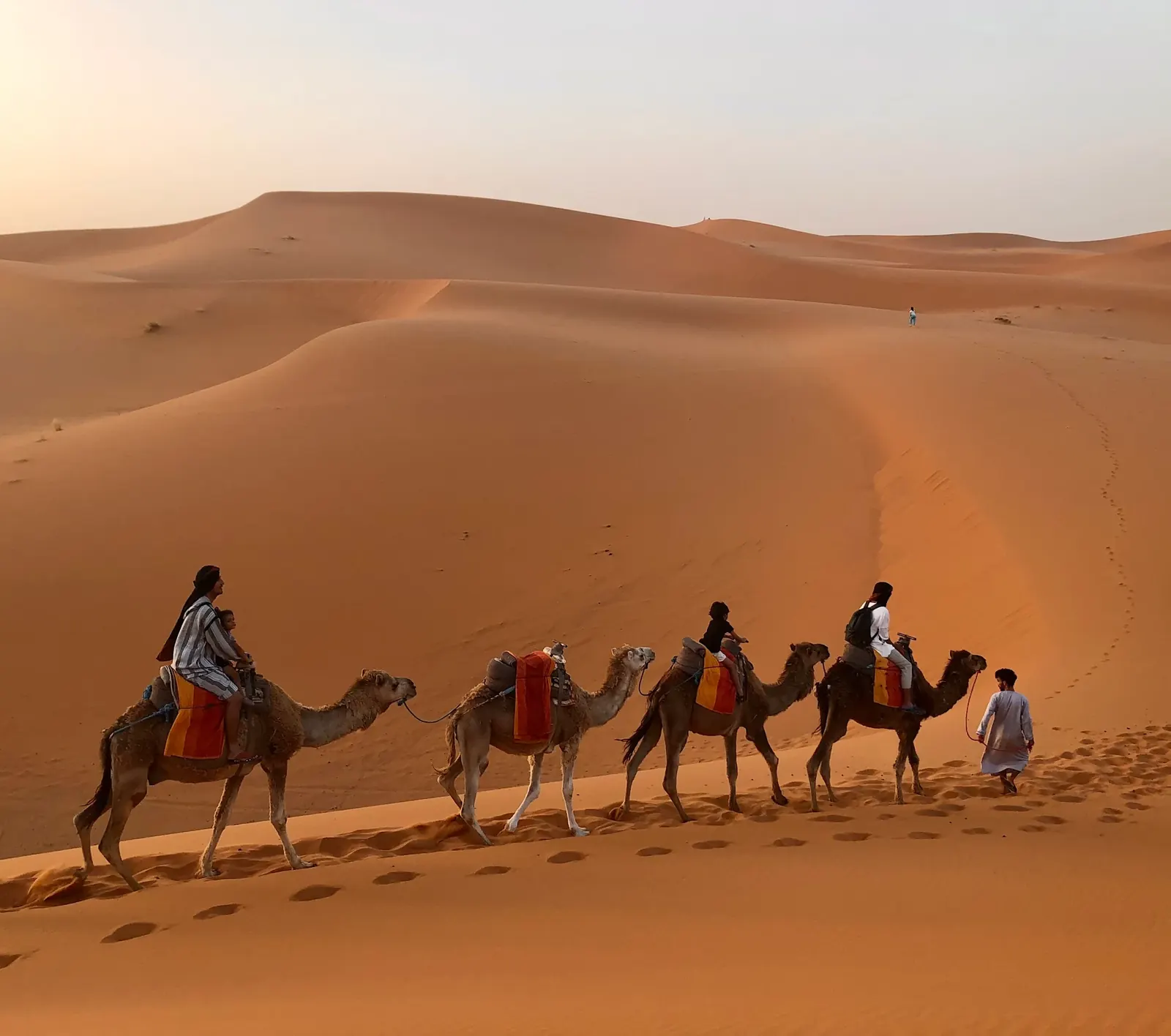
Many travellers are surprised to learn how much desert Morocco really has, and just as surprised to discover how far it is from the cities where they land. Yes, there is a desert in Morocco: the north-western edge of the Sahara covers much of the south and south-east of the country. But the famous sand dunes are not next to Marrakech or Casablanca. This guide explains where the desert in Morocco is, the difference between the main desert areas, how far each one is from the big cities and how to choose.
In short: the desert in Morocco is the Sahara, in the south and south-east of the country, beyond the High Atlas mountains. The best-known dunes are Erg Chebbi near Merzouga, about 560 km from Marrakech, and Erg Chigaga near M'Hamid, reached by 4x4. Zagora has smaller dunes and is closer. The Agafay desert near Marrakech is a stony desert, not the Sahara. Plan at least 3 days from Marrakech for the high dunes.
Where is the desert in Morocco?
Picture Morocco as three bands from north to south. In the north and along the Atlantic are the cities, farmland and the Rif mountains. In the centre, the High Atlas mountains cross the country from south-west to north-east, with peaks above 4,000 m. South and east of the High Atlas, the land opens into stony plateaus, palm-filled valleys and, finally, the Sahara.
Most of the Moroccan Sahara is not sand but hammada, flat plains of stone and gravel. The sand seas, called ergs, are smaller islands within it, and these are the dunes travellers come to see. The two great ergs are Erg Chebbi in the south-east, near the Algerian border, and Erg Chigaga in the south, at the end of the Draa valley. Between the mountains and the dunes lie some of the most beautiful landscapes in the country: the kasbahs of Ait Ben Haddou, the Dades and Todra gorges and the palm groves of the Draa and Ziz valleys.
The four desert areas travellers visit
Merzouga and Erg ChebbiThe classic Sahara, high golden dunesThe highest dunes in Morocco, reaching around 150 m, with a paved road to their edge and the widest choice of camps. The best choice for a first visit. Read our Merzouga and Erg Chebbi guide.
Erg ChigagaThe remote Sahara, reached by 4x4A larger, wilder sand sea beyond M'Hamid, at the end of the paved road. Fewer camps and deep silence. See the Erg Chigaga guide.
ZagoraThe closest desert night from MarrakechSmaller dunes in the Draa valley, close enough for a two-day trip. The journey through Ait Ben Haddou and the palm groves is as memorable as the sand. Read the Zagora desert guide.
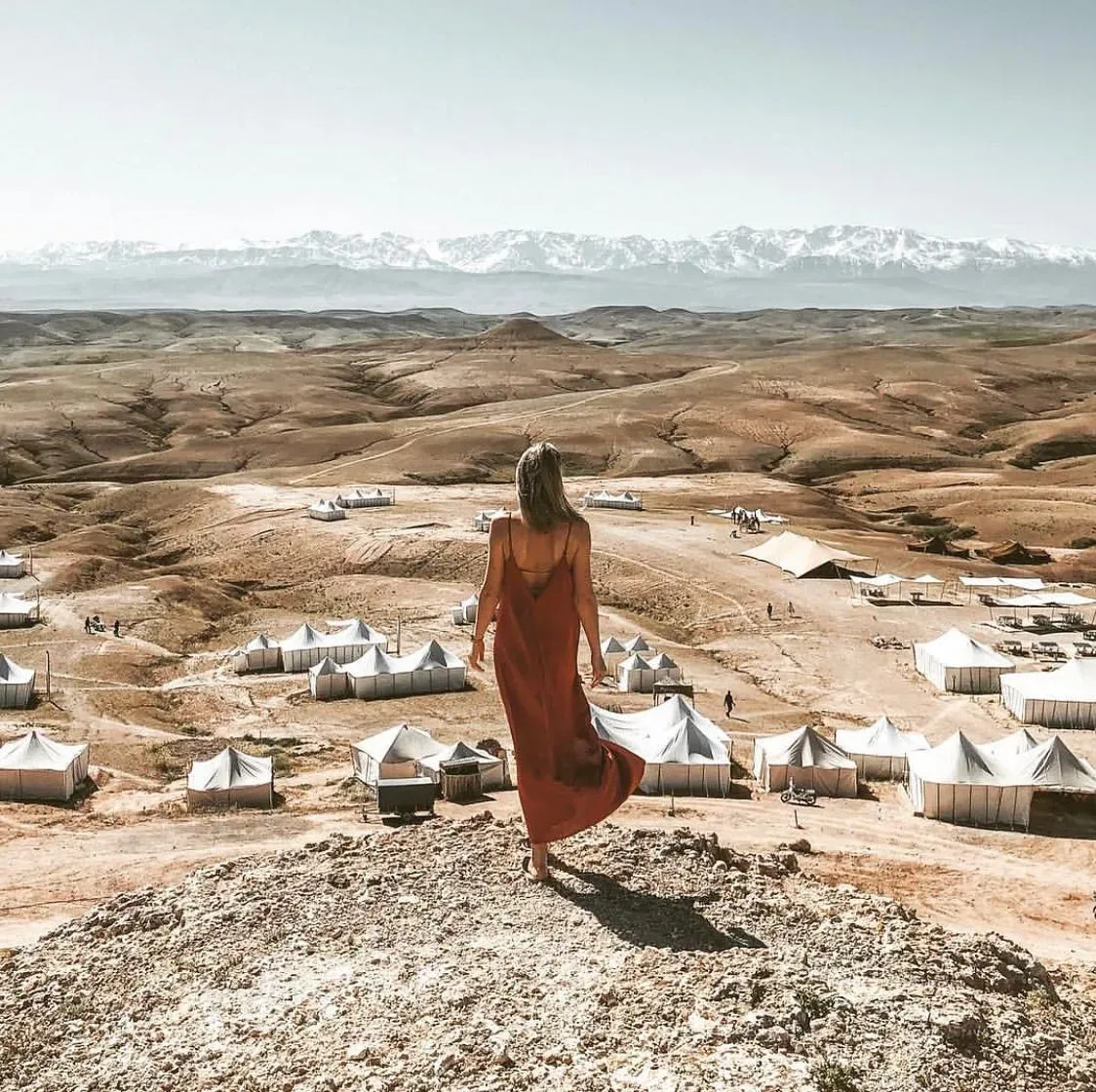
AgafayA stone desert near Marrakech, not the SaharaRolling bare hills about an hour from Marrakech, with camps, camel rides and views of the Atlas. No sand dunes, but an easy taste of the desert in one day. See the Agafay desert guide.
Still hesitating between them? Our comparisons Erg Chebbi vs Erg Chigaga and Agafay vs Merzouga go into the details.
How far is the desert from Marrakech, Fes and Casablanca?
The distances below are approximate road distances. Mountain roads are slow, so plan by hours rather than kilometres.
From MarrakechMerzouga about 560 km, Zagora about 360 kmOver the Tizi n'Tichka pass. Merzouga is usually reached on the second day; Zagora in one long day. Agafay is about an hour away.
From FesMerzouga about 460 km, one long dayThrough the cedar forests of the Middle Atlas, Midelt and the Ziz valley, arriving for sunset on the dunes.
From CasablancaAt least two days to the dunesThe route goes via Marrakech or via Fes. That is why desert tours from Casablanca usually last four days or more.
For the road from Marrakech, stage by stage, see our Marrakech to Merzouga route guide.
Is there a desert near Casablanca?
No. Casablanca sits on the Atlantic coast, surrounded by farmland, and the nearest Sahara dunes are several hundred kilometres away beyond the Atlas mountains. If you fly into Casablanca and want to see the desert, the best approach is a multi-day tour that combines the journey with other highlights: Marrakech and Ait Ben Haddou on one side, or Rabat, Fes and the Middle Atlas on the other. Our 4 day tour from Casablanca to Marrakech via the Sahara is the shortest option, and the 7 day tour from Casablanca adds the imperial cities. All options are listed on our tours from Casablanca page.
How many days do you need for the desert in Morocco?
1 dayAgafay onlyA desert landscape and sunset without leaving the Marrakech area: the Agafay sunset experience.
2 daysZagora from MarrakechA real night in the desert with smaller dunes: the 2 day desert tour to Zagora.
3 daysMerzouga from Marrakech or FesThe high dunes of Erg Chebbi, the gorges and a camp night: the 3 day desert tour to Merzouga or the 3 day Marrakech to Fes tour.
4 days or moreSlower travel, Erg Chigaga, or both ergsShorter driving days, time to walk in the gorges, or the remote dunes of Chigaga: see the 4 day Erg Chegaga tour and the 7 day South Morocco tour.
Our guide 2, 3 or 4 days? compares these options in more detail.
What a desert trip in Morocco is like
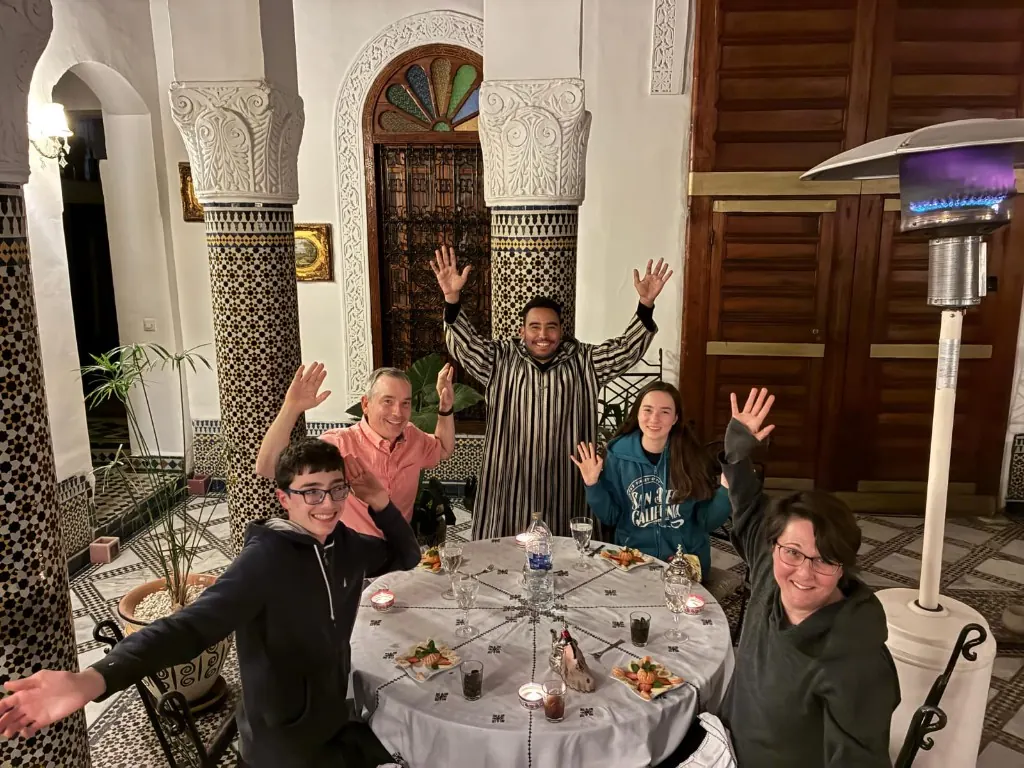
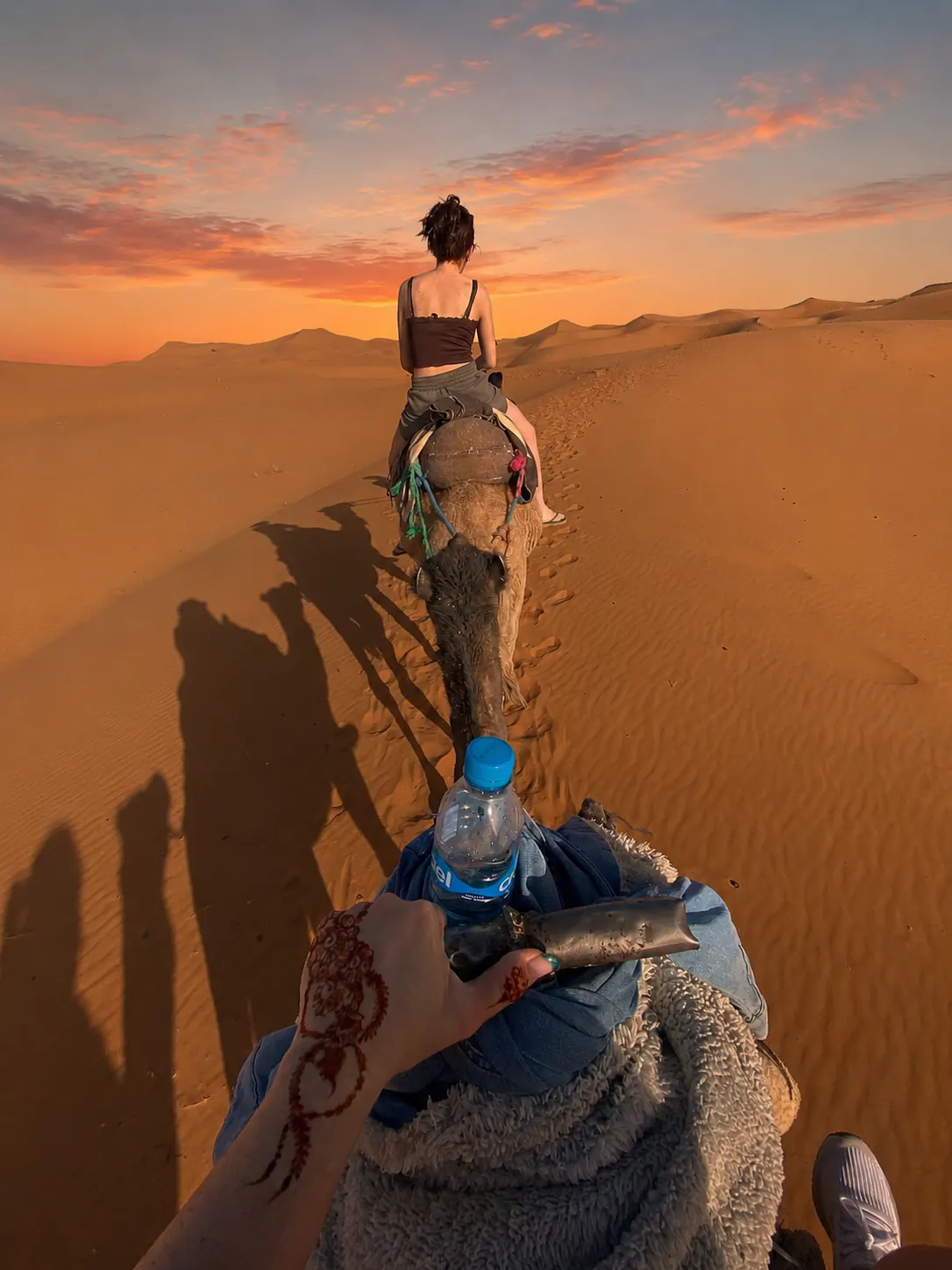
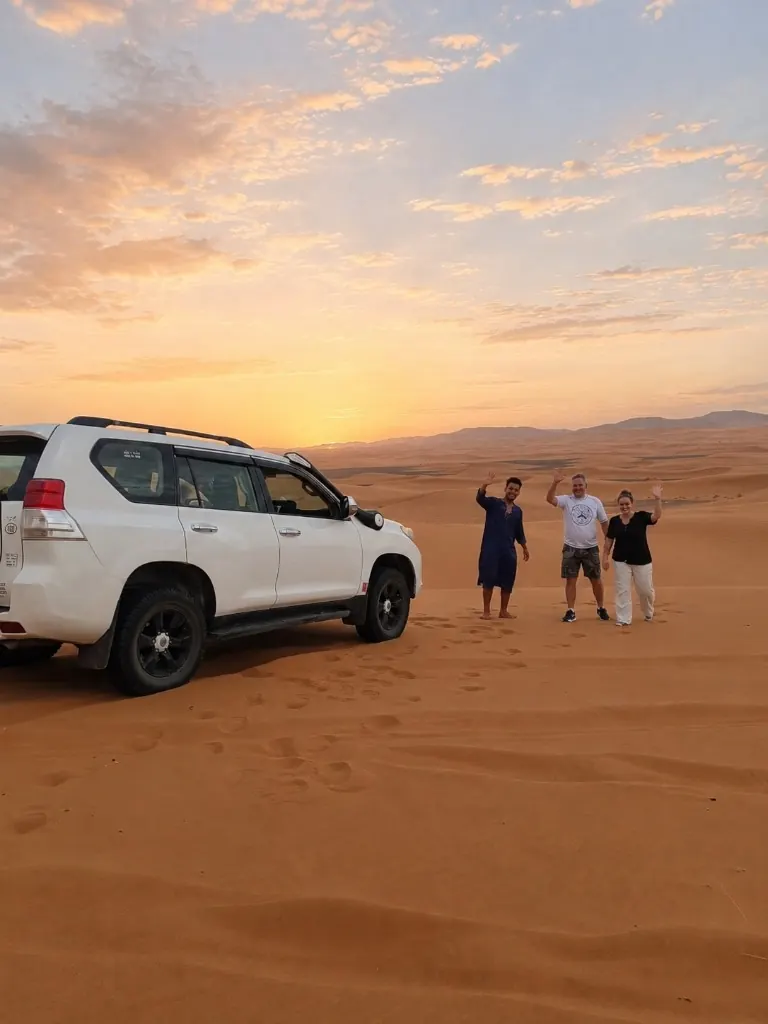
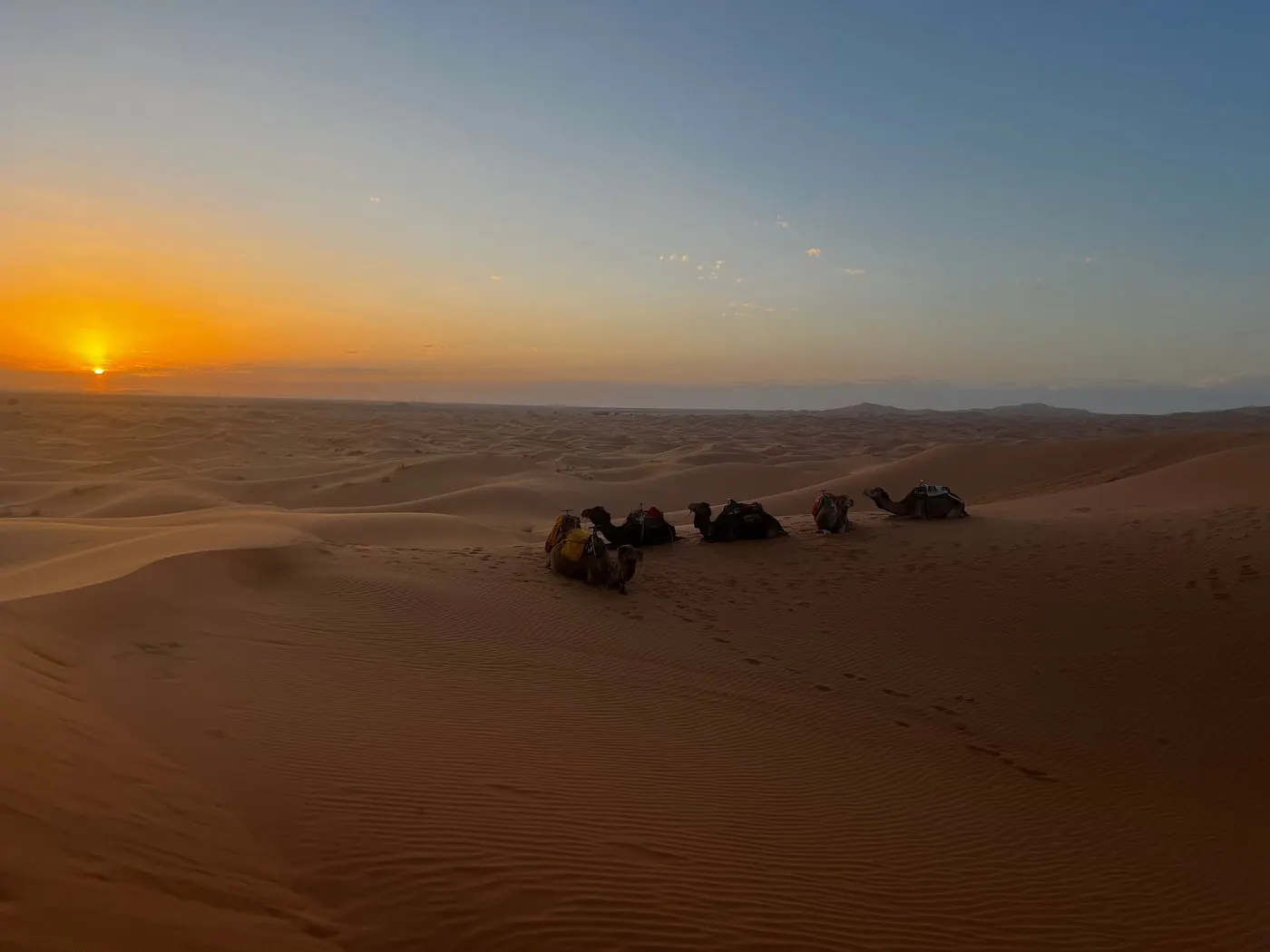
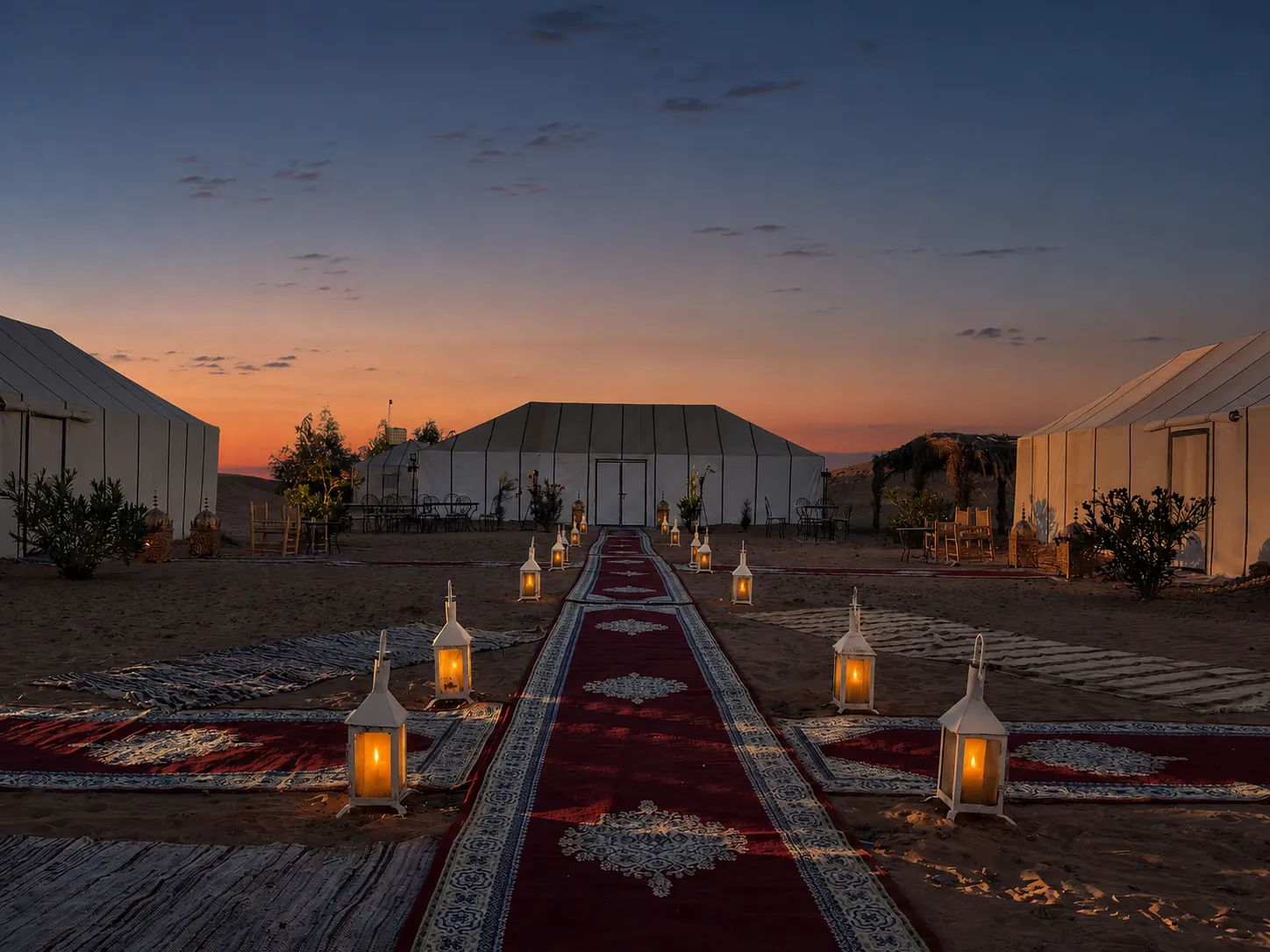
A typical desert trip combines long scenic drives with one or two nights at a desert camp. You reach the edge of the dunes in the late afternoon, ride a camel into the sand as the light turns gold, and arrive at a camp of Berber-style tents for mint tea, dinner and music around the fire. After dark, the sky fills with stars. Before dawn, you climb a dune to watch the sunrise, then ride or walk back for breakfast.
Camps range from simple to very comfortable, with proper beds and private bathrooms in the better ones. Read what a desert camp is really like, and if you would like to spend longer on camelback, our Morocco camel trek guide explains the options.
The days around the camp night are just as rich. On the way to Merzouga, you cross the High Atlas, walk through the earthen ksar of Ait Ben Haddou and follow the Dades and Todra valleys, with their gorges and palm groves. Around Erg Chebbi, you can visit the fossil workshops of Erfoud, the old market town of Rissani and nomad families on the edge of the dunes. In the Draa valley, on the way to Zagora or Chigaga, you pass kasbahs, date palms and the pottery village of Tamegroute.
The people of the desert
The Moroccan Sahara is not empty. Amazigh communities have lived in its oases and on its edges for centuries, in fortified villages called ksour built of earth and straw, surrounded by palm groves and small fields watered by ancient irrigation channels. A few nomadic families still move their camels and goats between seasonal pastures, although many have settled near the towns.
Near Merzouga, the village of Khamlia is home to a community of Gnawa musicians, descendants of people who came across the Sahara with the caravans, whose rhythms you may hear at your camp. The desert guides who lead your camels usually grew up in these villages. Asking them about their families, the names of the dunes and how the desert has changed is one of the best ways to understand the place. To learn more about Amazigh life in the mountains, read our article on staying with Berber families.
When is the best time to visit the desert in Morocco?
The most comfortable months are October to April, with warm days and cool to cold nights. From December to February, nights can approach freezing, but the skies are wonderfully clear. From June to September, afternoons are very hot, so camel rides take place at sunset and sunrise. Our Merzouga weather guide has the figures month by month.
Practical tips for the desert in Morocco
- Pack light for the camp. Your main luggage usually stays in the vehicle; bring a small bag for the night.
- Bring layers. Even after a hot day, the desert night can be cold, especially from November to March.
- Protect yourself from the sun and sand with a hat, sunglasses, sunscreen and a scarf for windy days.
- Wear closed shoes or sandals you can walk in on sand; the sand is hot at midday and cold at dawn.
- Keep electronics in a bag, as fine sand gets everywhere. A power bank is useful, as charging at the camp can be limited.
- Respect the environment. Take your rubbish with you and ask before photographing people.
Our full desert packing list covers everything you need.
“People expect the desert to be empty. What surprises them is how full it feels: of light, of silence and of the people who have always lived there.”
Ready to see the Sahara? Browse our Sahara desert tours, then send us your dates or message us on WhatsApp for a free, no-obligation quote.