Every week, someone asks me the same question: 'When should we come?' It is one of my favourite questions — because the honest answer depends entirely on what kind of Morocco you want to meet.
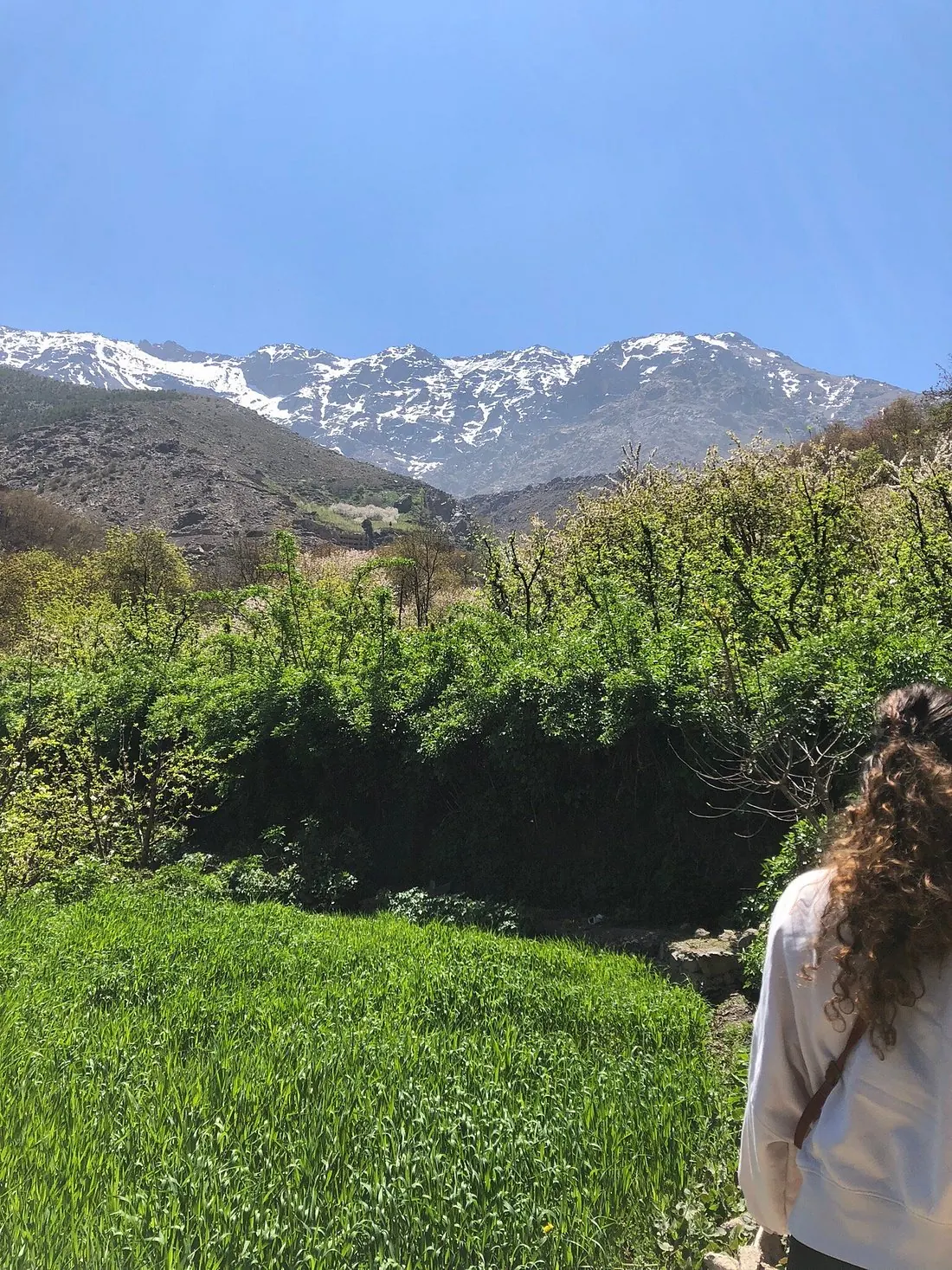
Morocco is a country of genuine extremes. The same week that Marrakech bakes under forty degrees of July heat, the Atlantic coast at Essaouira is swept by cool ocean wind. The Sahara that warms deeply through midsummer is extraordinary in January — cold nights, crystalline air, stars that seem closer than they have any right to be. The High Atlas can have snow in March while the valley below is flowering. The country resists simple seasonal advice.
What follows is the honest guide I give to every traveller before they book — not the version that says 'spring is lovely' and leaves it there, but the version that tells you what each season actually gives you, and what it asks of you in return.
Spring (March to May): the most generous season
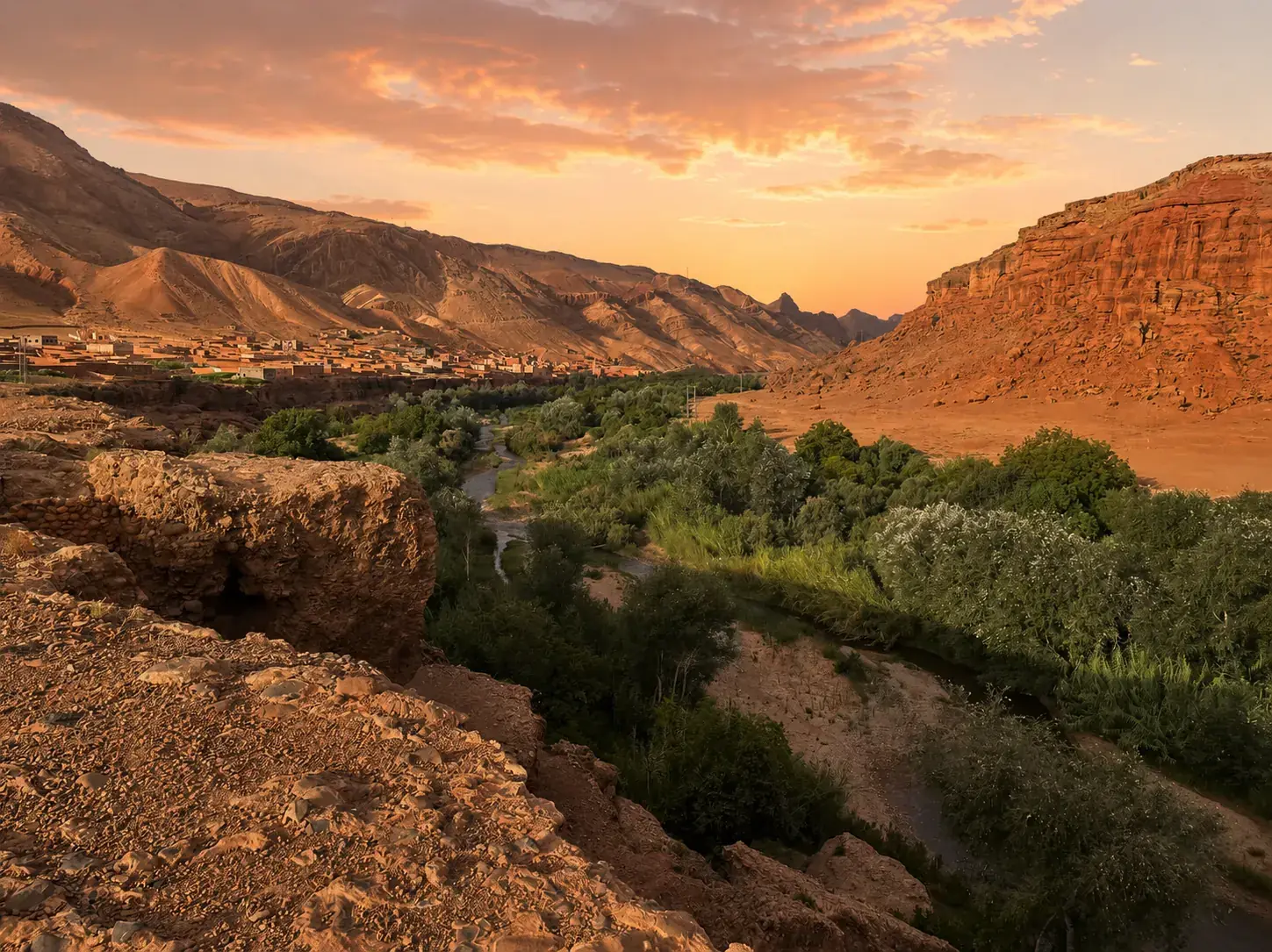
If you are visiting Morocco for the first time, spring is where I would begin. The logic is simple: the Atlas is green, the desert is warm without being hostile, the cities are animated without being overwhelmed, and the light — that particular late-afternoon quality that turns every kasbah wall golden — is at its very best.
March is my personal favourite month to guide. Almond blossom has already come and gone in the Dadès Valley, but the wildflowers are still on the high passes. Daytime temperatures in Marrakech sit around twenty-two degrees. In the desert, the dunes are warm enough to climb barefoot but not so hot that the sand burns. The camel trek at dusk feels exactly as it should.
By May, temperatures are climbing. Southern Morocco — the road between Ouarzazate and Merzouga — can reach thirty-five degrees in the afternoon. It is still manageable, and often beautiful. But you will feel the heat. Plan for early mornings and slower midday hours.
“Spring in the Atlas is one of the quiet wonders of Moroccan travel — a landscape that most visitors, hurrying south to the desert, drive straight through without stopping.”
The rose harvest in the Dadès Valley happens in late April and early May — an extraordinary few weeks when the valley between Ouarzazate and Boumalne fills with the scent of roses and the roads are lined with petals. If you can time your itinerary to pass through during the harvest, do. It is one of the experiences that makes the Marrakech-to-Merzouga route more than just a road to the dunes.
Summer (June to August): heat, coast, and desert evenings
Summer in Morocco is warmer, especially in the desert regions, but it can still be a rewarding time to travel with the right planning. Tours during this period are best paced around the cooler parts of the day, with air-conditioned transport, comfortable hotels, swimming pools where available, shaded breaks, and relaxed itineraries. Desert camp evenings and nights can still be a memorable experience, especially when activities are planned for sunset, evening, or early morning.
Temperatures in the deep Sahara — the Erg Chebbi dunes around Merzouga, the camps, the long camel treks at dusk — can exceed forty-five degrees in the afternoon between June and September. Hydration, breathable clothing, and sensible pacing matter. This is not a season for rushing through the dunes at midday, but with a well-planned itinerary the desert remains genuinely moving. Evenings bring sunset views, dinner under the stars, and a calmer atmosphere after the heat of the afternoon.
For the rest of Morocco, summer has its own logic. Essaouira, on the Atlantic coast, is reliably cool thanks to the trade winds that draw windsurfers from across Europe. Chefchaouen, high in the Rif Mountains, stays pleasant. Fes and Marrakech are hot, but the medinas — deep, shaded, built for exactly this climate — remain navigable in the early morning and evening hours. The souks feel different in summer: more local, less international.
Summer is also when you will find the best prices. Families travelling in August often find that the same tour costs less and the same riad has rooms available that would have been booked for months in April. With activities timed for cooler hours and comfortable accommodation throughout, summer can offer excellent value — including rewarding desert itineraries.
Autumn (September to November): the second golden season
There is a particular quality to Moroccan autumn that is hard to describe without having been there. The summer heat has softened but not retreated entirely — September still has warmth. The light turns amber and oblique. The crowds that gather at the most famous sites in spring have thinned. And the Sahara, as temperatures ease after summer, feels especially inviting again.
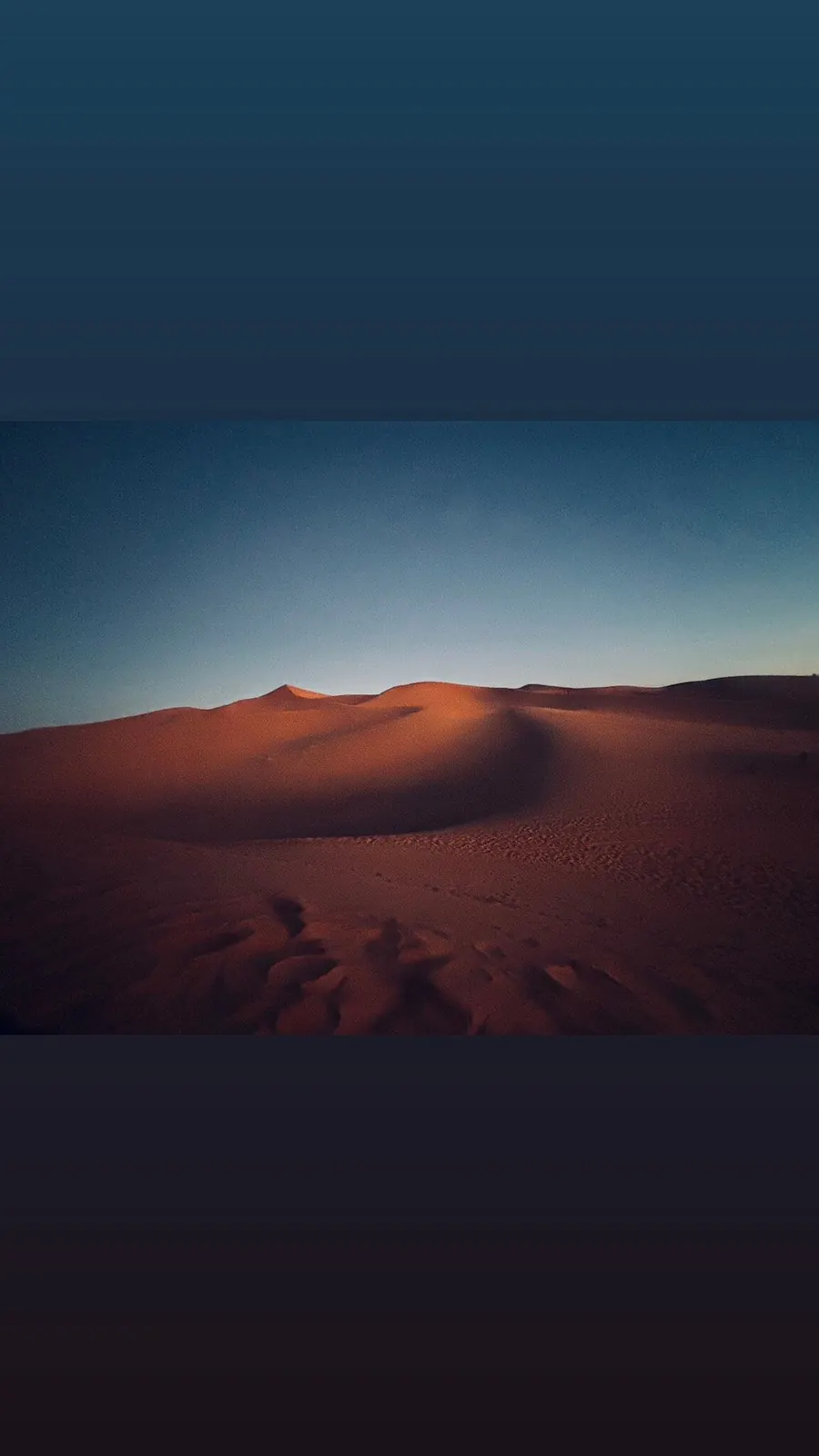
October is the month I recommend most often for the desert. Daytime temperatures in the Merzouga area sit around twenty-eight to thirty-two degrees — warm enough that the sand holds the day's heat into the evening, cool enough that long walks on the dunes feel pleasurable rather than punishing. The night sky, freed from summer haze, is startling. This is when the Milky Way over Erg Chebbi is at its clearest.
November is the beginning of the shoulder season and the best time for trekkers. The High Atlas is still accessible but the summer hikers have largely gone home. Toubkal, North Africa's highest peak, takes on a different quality in November — quieter, slightly austere, deeply rewarding for those who make the effort.
Winter (December to February): cold clarity and the finest skies
The Sahara in winter is a revelation for travellers who have only seen the desert in photographs. The dunes do not shrink or change — the scale is unchanged — but the light is different. Lower in the sky. More horizontal. It catches the ridgelines of the dunes in a way that summer light simply cannot.
“Winter nights in the Sahara are cold — below five degrees by two in the morning. But the stars are clearer than at any other time of year. It is the kind of sky that makes people quiet.”
Marrakech in January is a different city from the one most tourists know. Temperatures hover around fifteen degrees — cool enough for a jacket in the evenings, warm enough to sit outside at lunch. The famous square, Djemaa el Fna, belongs more to locals in winter: fewer snake charmers performing for cameras, more musicians playing because they love to.
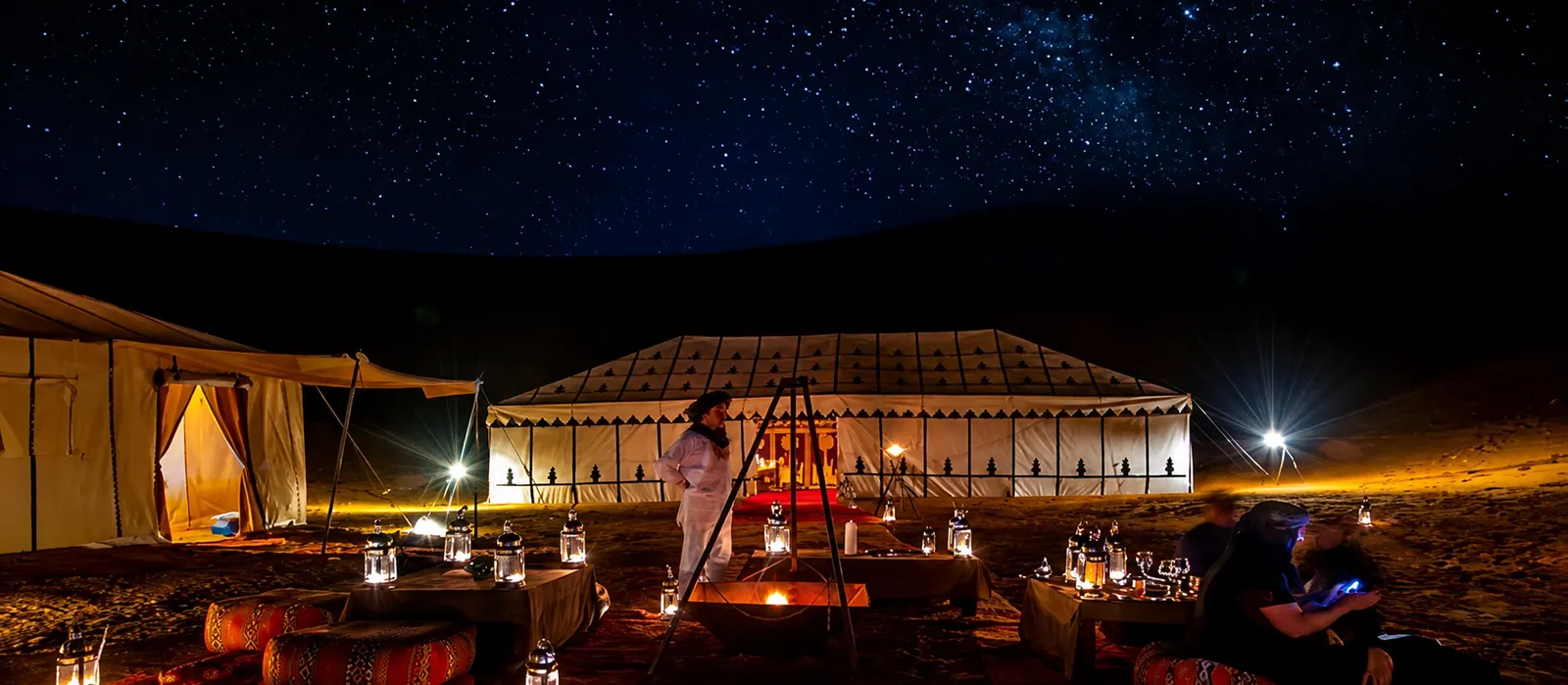
New Year's Eve in the Sahara has become one of our most-requested experiences. There is something about marking the new year under desert stars, far from the noise of cities, that affects people more deeply than they expect. The camps are warm. The fires burn late. The silence between midnight and one in the morning is unlike anything in ordinary life.
The one consideration with winter is the Atlas passes. The Tizi n'Tichka, the mountain road between Marrakech and Ouarzazate, can close briefly after heavy snowfall. We monitor conditions and adapt itineraries when needed — but it is worth knowing that winter travel in Morocco occasionally requires flexibility.
Month by month: a practical guide
- January — Cold in the desert at night (0–5°C), stunning clarity. Marrakech calm and local. Excellent for those who dislike crowds.
- February — First signs of almond blossom in the valleys. Atlas still wintry. A good balance for those who want desert and mountain.
- March — Peak spring. Wildflowers in the High Atlas. Desert comfortable (20–28°C). Our most popular month.
- April — Rose harvest begins in the Dadès Valley. Warm and golden. Spring school holidays bring more families.
- May — Temperatures climbing. Still excellent for the north (Chefchaouen, Fes). Desert getting warm but manageable.
- June — Warm, with desert heat building (35–42°C) but still manageable with good planning. Air-conditioned transport, early mornings, and evening camp experiences help. Coastal Morocco and mountain villages shine.
- July — One of Morocco's hottest months, particularly in the Sahara and inland desert regions. With adjusted pacing, air-conditioned transport, comfortable accommodation, and pools where possible, summer trips can still be enjoyable. Outstanding for Essaouira, the Atlantic coast, and the Rif Mountains. Evenings at desert camps remain a highlight.
- August — Hot, but still suitable for travellers who prefer quieter routes and carefully planned itineraries. Good for coast and high altitude. Desert days work best with shaded breaks and activities in the morning or evening.
- September — The return of more comfortable temperatures — a strong month for desert tours. Heat beginning to ease. Good value and thinner crowds.
- October — Our second favourite month. Desert perfect. Light exceptional. Feels like an undiscovered season.
- November — Excellent for trekking. Desert good. The country quietens in a way that reveals its real character.
- December — Christmas and New Year in the Sahara. Cold nights, warm days, spectacular skies. A special time.
Best time for specific experiences
For the Sahara desert and camel trekking, the most comfortable windows for daytime exploration are October through November and March through April — cool, clear nights for stargazing included. Summer travel is also rewarding with the right itinerary: air-conditioned transport, comfortable camps, swimming pools where available, and activities timed for morning and evening. Our desert camps are built for comfort in any season, and we adapt pacing to match the heat.
For the High Atlas Mountains and trekking — including the ascent of Toubkal — autumn is the finest season. October and early November offer stable weather, clear summit views, and trails that are neither crowded nor snow-covered. Spring trekking is possible from April, but conditions vary.
For Marrakech and the imperial cities, spring and autumn are both excellent. The medinas of Fes and Marrakech are most compelling in the early morning regardless of season, but March, April, October, and November give the most pleasant temperatures for long days on foot.
For the Atlantic coast — Essaouira, the beaches south of Agadir — summer works well. The Alizé trade winds keep Essaouira fifteen degrees cooler than Marrakech throughout July and August.
For Chefchaouen and the Rif Mountains, almost any season works. The blue city is cool in summer and mild in winter. Spring brings greenery to the surrounding hills. It is one of the most seasonally forgiving destinations in the country.
A note on Ramadan
Ramadan moves each year according to the Islamic calendar. It is not a reason to avoid Morocco — in fact, iftar, the breaking of the fast at sunset, is one of the most moving communal rituals in the country, and being present for it, even briefly and at the periphery, is something travellers remember for years. Some restaurants and cafés will be closed during the day, and the pace of life shifts noticeably. We always brief travellers on what to expect and how to engage with some grace.
“The question is not which season is best. The question is which version of Morocco you want to meet.”
Our private tours run year-round. We adapt routes, timing, and pacing to the season rather than offering a single fixed itinerary regardless of conditions. If you are unsure when to travel, write to us — we are happy to talk through your priorities and suggest the window that fits best.
Whatever the season, our desert packing list and Morocco travel tips will help you prepare — and the official Morocco tourism website lists festivals and events by region.