Ask Moroccan guides for their favourite months and November comes up again and again. The summer heat is long gone, the winter cold has not yet arrived, and the crowds of October have thinned. The desert is comfortable by day and crisp at night, the light over the Atlas is sharp and golden, and the medinas of Marrakech and Fes feel calmer. If you are wondering whether to visit Morocco in November, this guide covers the weather region by region, what each part of the country is like this month, and how to plan a route around it.
In short: November is an excellent month for Morocco. Expect days of around 20 to 24°C in Marrakech and the Sahara, cool evenings and cold desert nights close to 5°C by the end of the month. It is a very good time for desert tours, city visits and low and mid-altitude trekking. The north is greener and wetter, the high Atlas can see its first snow, and the days are short, so plan earlier starts and warm layers.
Why November is a great month to visit Morocco
November sits at the end of Morocco's second high season. The temperatures that make spring and autumn so popular are still there, but the country is quieter than in October or around Easter. Three things make it special:
- Comfortable desert days. You can walk on the dunes at noon without the heat of September, and the evenings around the camp fire feel just right.
- Clear air. After the first autumn rains, the haze of summer is gone. Views over the High Atlas and night skies in the Sahara are at their sharpest.
- Calmer cities. Djemaa el-Fna, the Bahia Palace and the Fes tanneries are still lively, but with more room to breathe.
The trade-offs are modest: shorter days, colder nights and a higher chance of rain in the north. With the right plan, none of these spoil a trip.
Morocco weather in November, region by region
Morocco is a big country with mountains, desert and two coastlines, so the weather depends on where you are. The figures below are typical averages; individual days can be warmer or cooler.
MarrakechAround 21–23°C by day, 8–10°C at nightMostly sunny and pleasant for walking. Evenings are cool enough for a jacket on a rooftop terrace. Rain is possible but rarely lasts.
Sahara (Merzouga, Zagora)Around 20–25°C by day, 5–10°C at nightWarm sun and cold nights, colder towards the end of the month. Dry, clear skies and some of the best stargazing of the year.
Fes and MeknesAround 18–20°C by day, 7–9°C at nightCooler and more likely to see rain than Marrakech. The medina is still very pleasant on dry days; bring shoes that grip on wet stone.
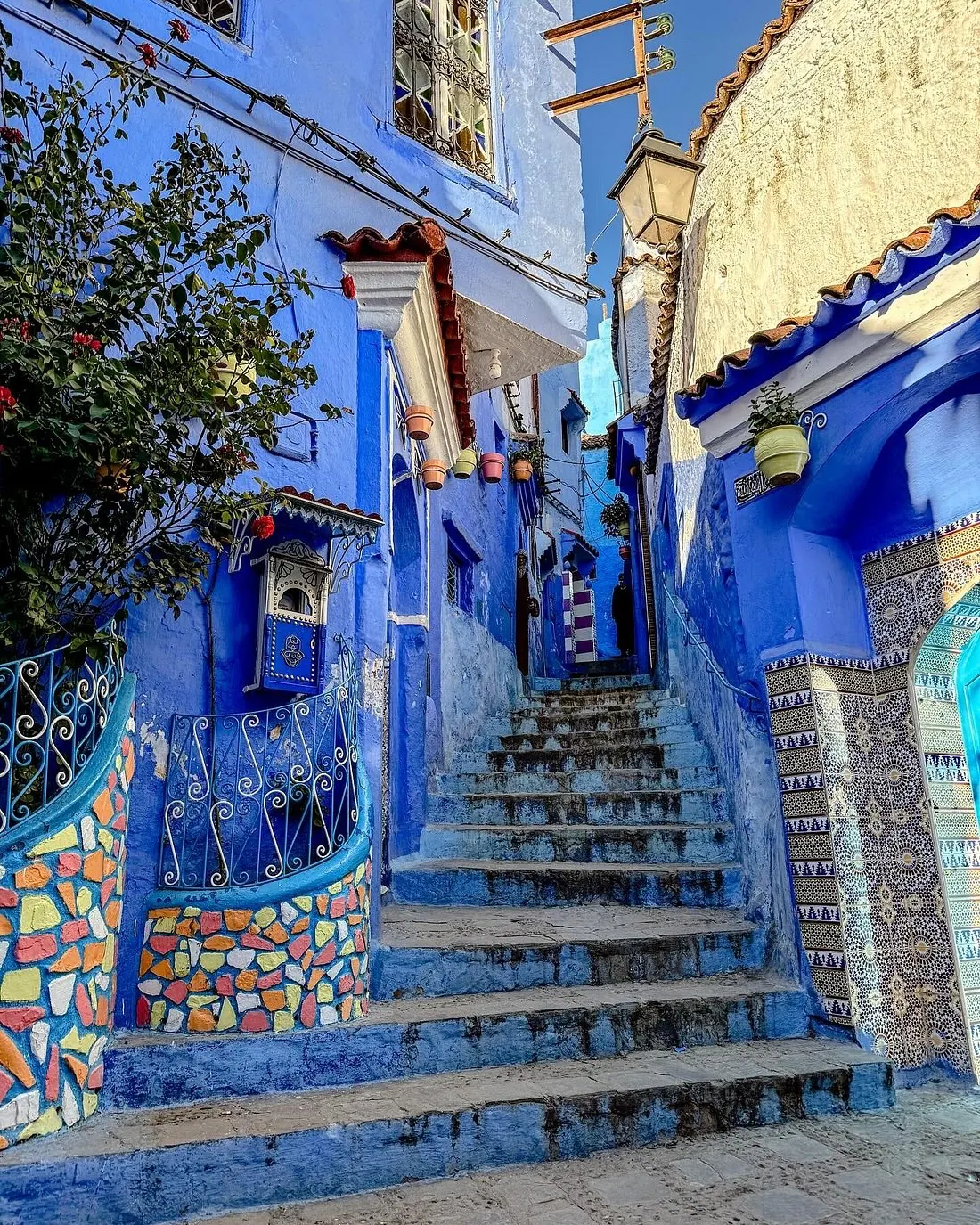
Chefchaouen and the northAround 16–18°C by day, cool nightsNovember is one of the wetter months in the Rif mountains. Rainy days alternate with bright, green ones; pack a waterproof layer.
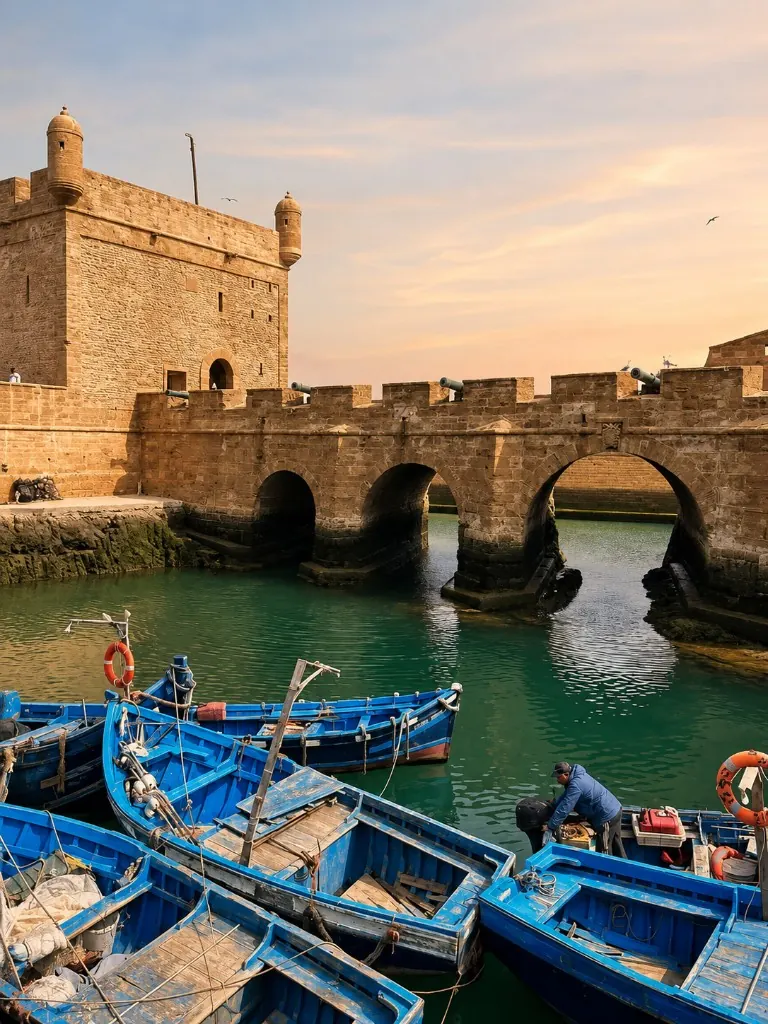
Essaouira and the Atlantic coastAround 20–22°C by day, mild nightsMild and often less windy than in summer. Too cool for most swimmers, but lovely for walking the ramparts and the beach.
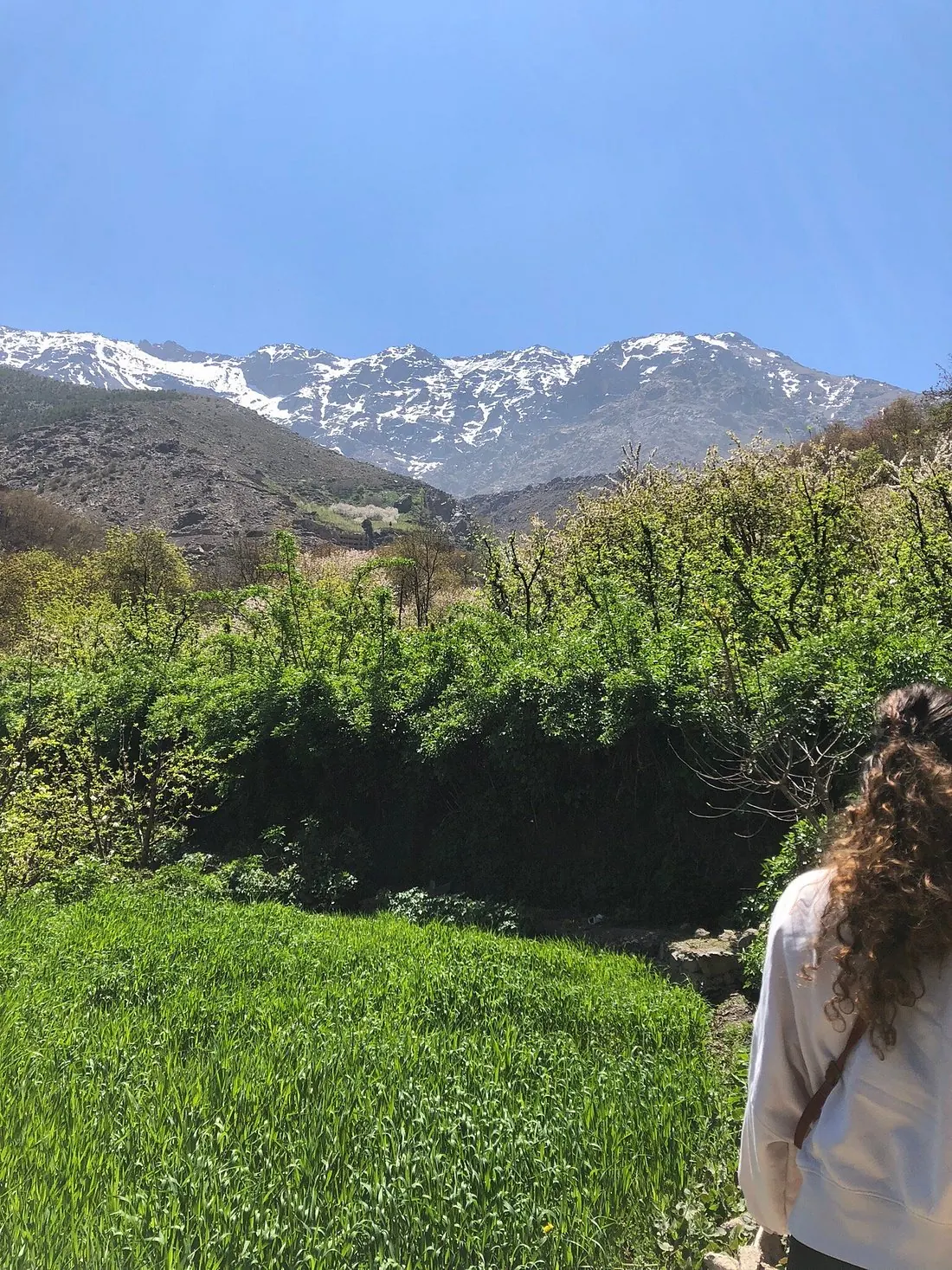
High AtlasMild in the valleys, freezing on the summitsVillages like Imlil are fresh and sunny by day and cold at night. The highest peaks can receive their first snow, especially in the second half of the month.
For month-by-month figures in the desert, see our Merzouga weather guide, and for the whole year, the best time to visit Morocco.
The Sahara in November
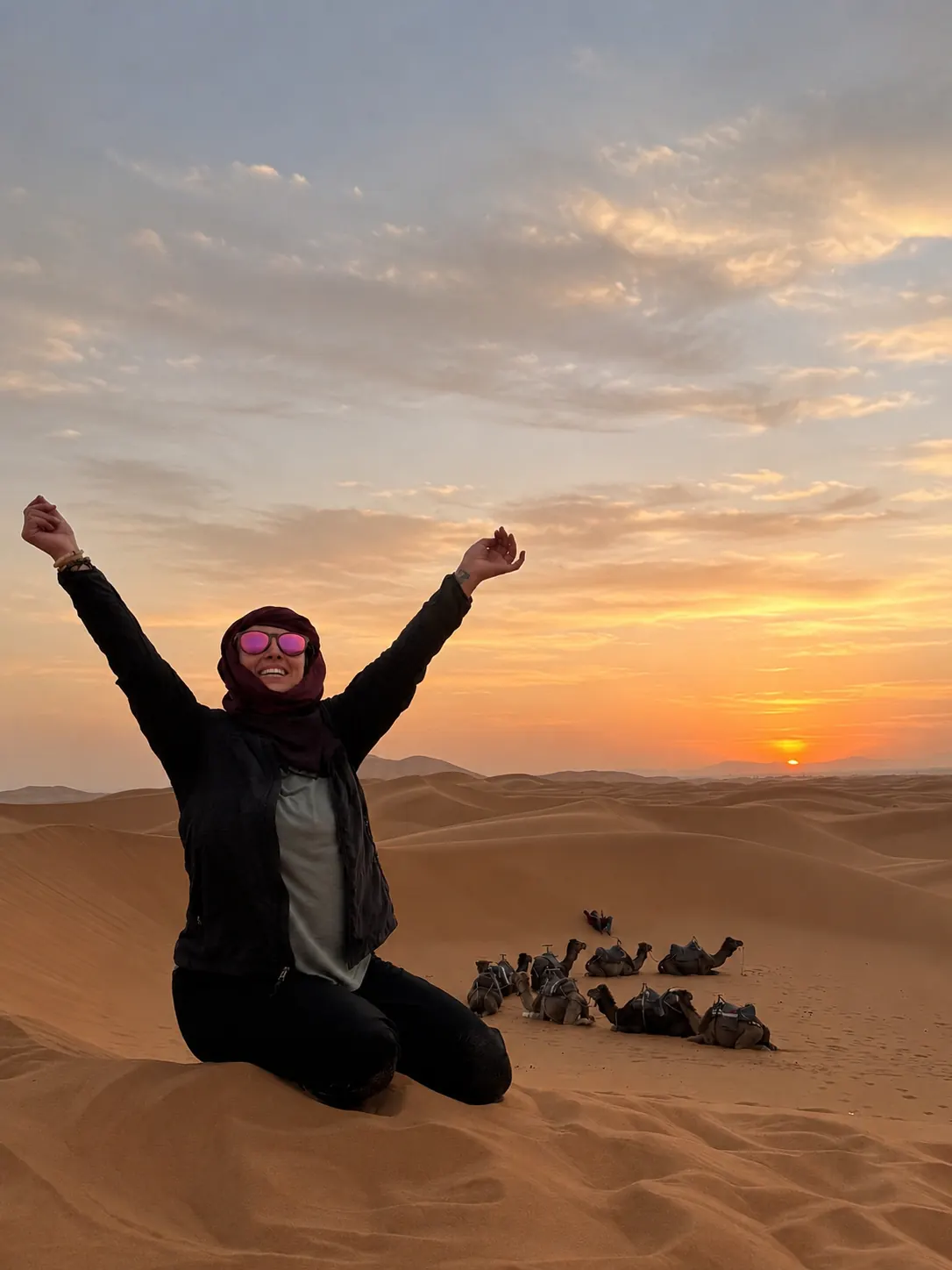
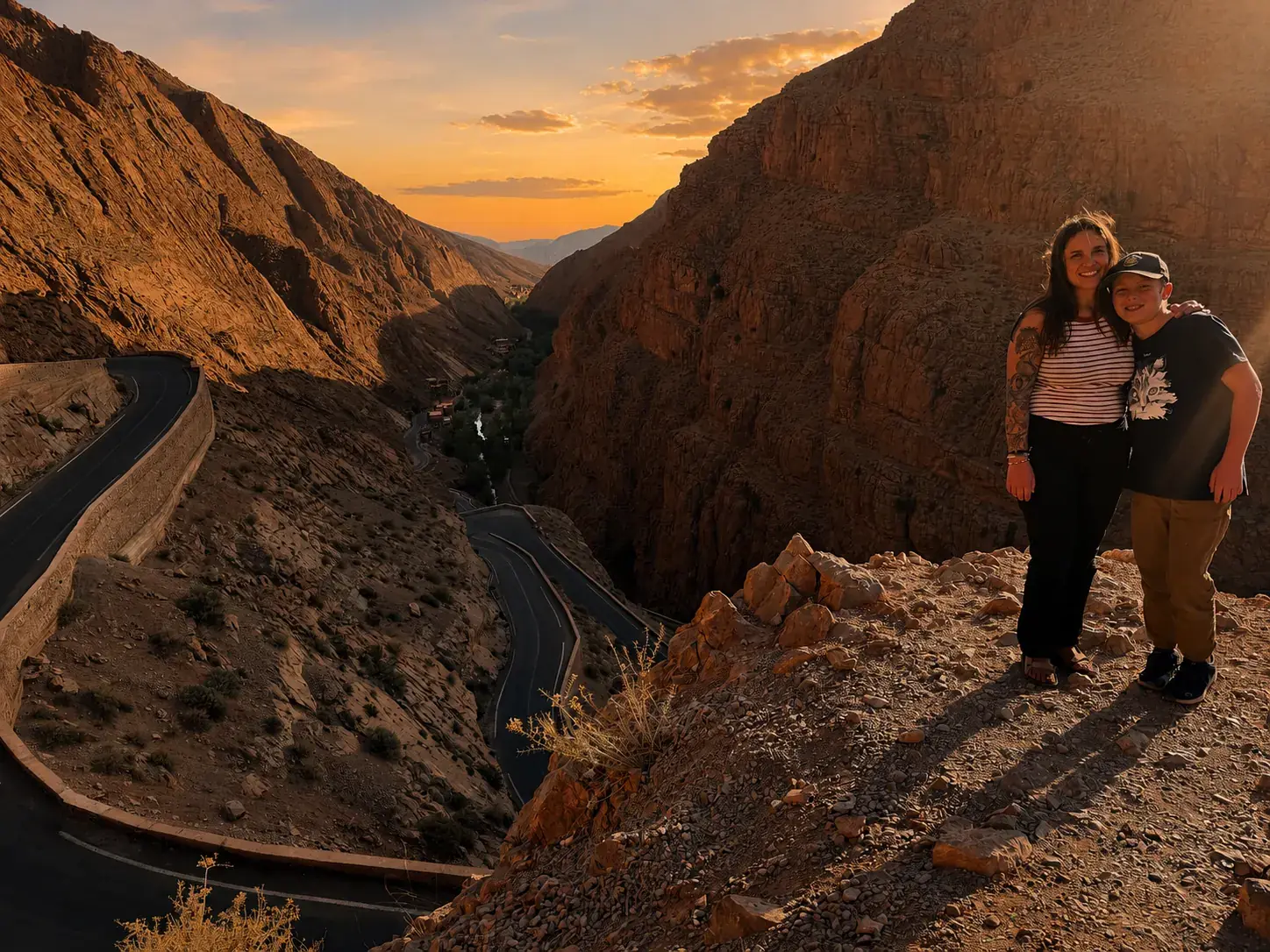
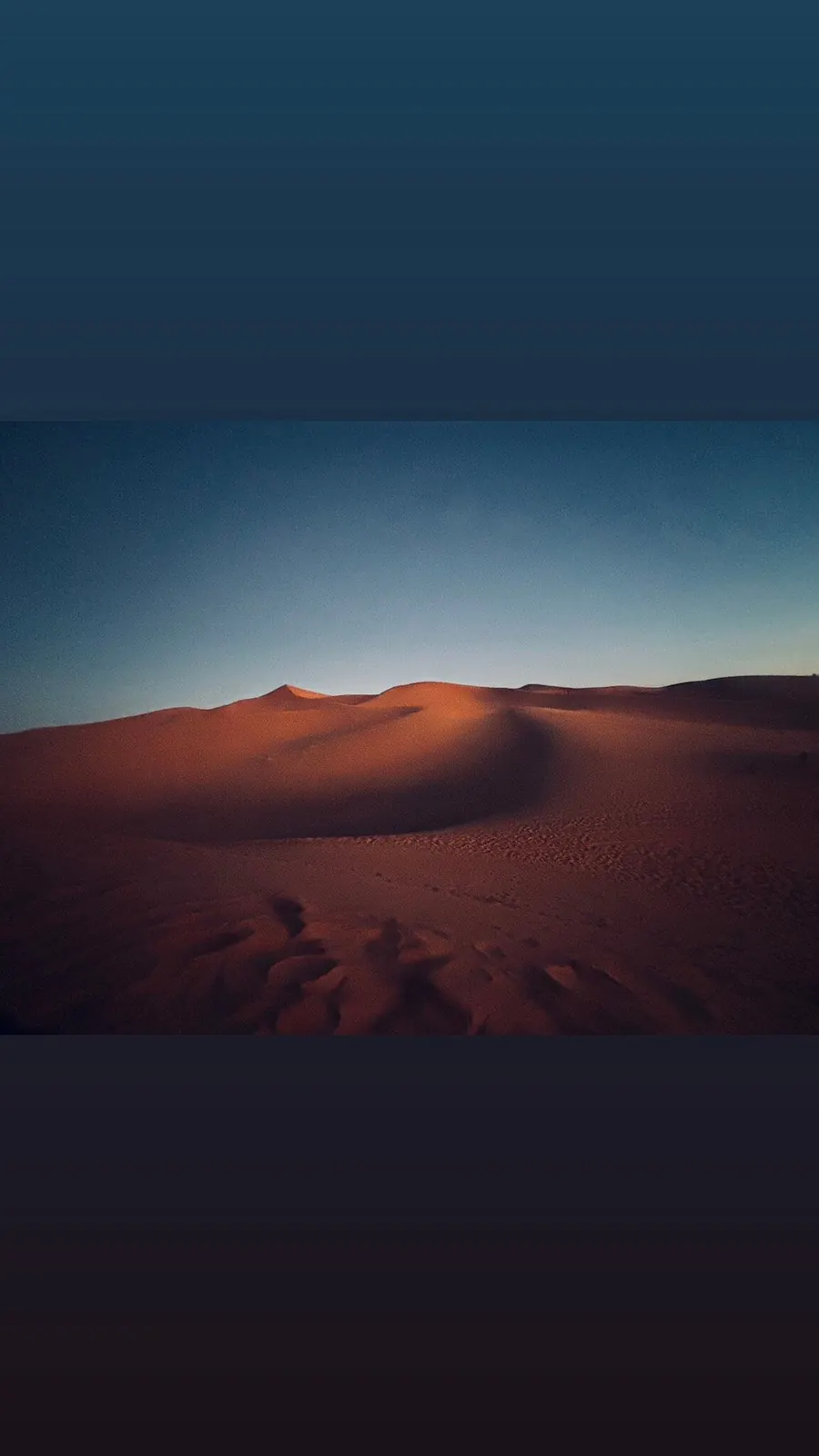
November is one of the best months of the year for a desert tour. The drive over the Tizi n'Tichka pass is usually clear, the palm groves of the Dades and Draa valleys glow in low autumn light, and the dunes of Erg Chebbi are warm enough to explore barefoot in the afternoon.
The rhythm of a desert day changes slightly. Sunset comes earlier, so camel rides start in the mid-afternoon to reach the camp before the light fades. After dark, the temperature drops quickly. By late November, nights at the camp can approach 5°C, and the minutes before sunrise on the dunes are genuinely cold. Camps provide blankets, and the better ones heat their tents, but a warm jacket and a hat make the evening by the fire far more enjoyable.
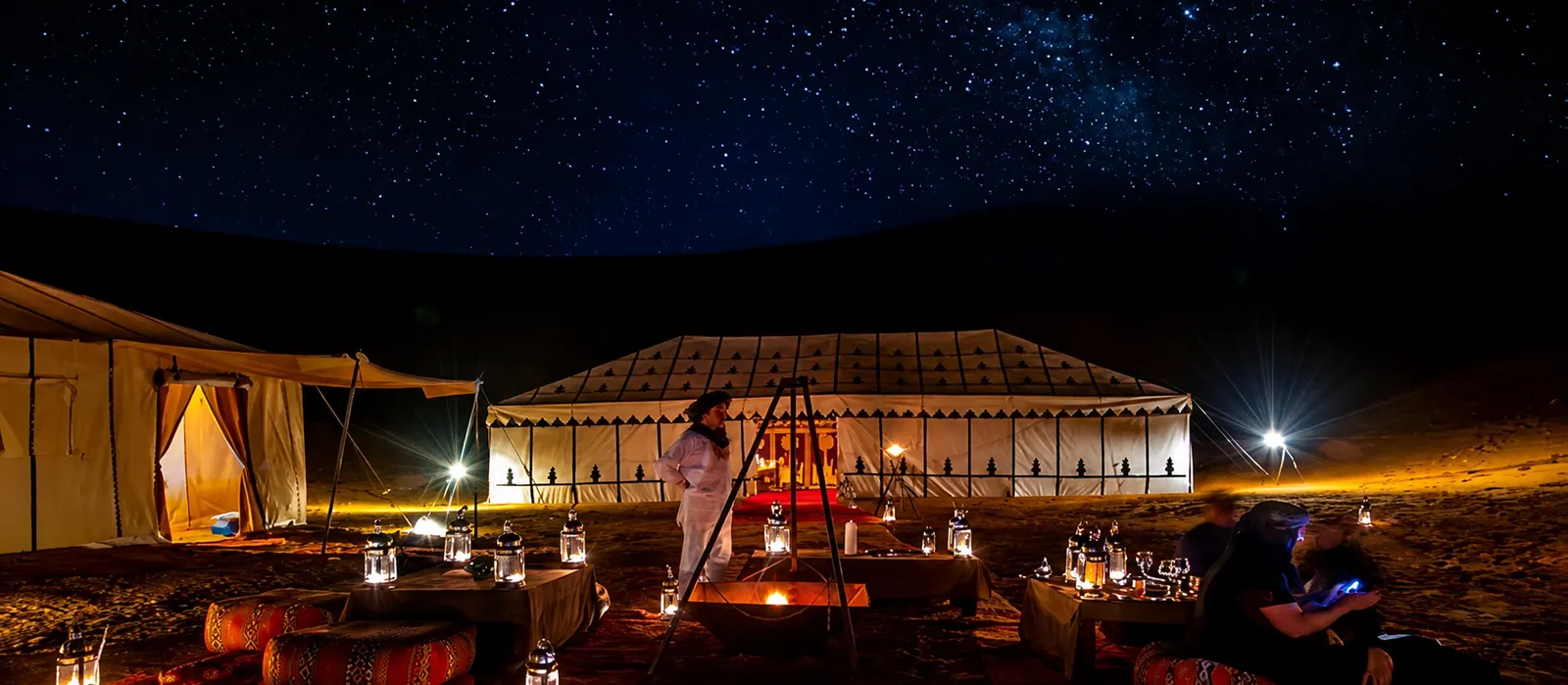
The reward is the sky. With little humidity and no summer haze, the Milky Way is easy to see from the camp. If stargazing matters to you, try to time your desert night close to the new moon.
Which desert? With three days or more, the high dunes of Merzouga are the classic choice: see the 3 day desert tour from Marrakech to Merzouga or the more relaxed 4 day desert tour. With only two days, Zagora is closer; our Zagora desert guide explains the difference. For the wildest dunes, read the Erg Chigaga guide.
Trekking and the Atlas Mountains in November
Autumn is a fine season for walking in Morocco, and the first half of November is often the sweet spot: stable weather, clear views and empty trails. Day hikes and village-to-village walks around Imlil and the Ourika valley are pleasant all month, with crisp mornings and warm sunshine in the middle of the day.
Higher up, conditions change through the month. Toubkal, at 4,167 m, can receive snow from November onwards, and once it does the ascent becomes a winter climb that may need crampons, an ice axe and an experienced mountain guide. If summiting is your goal, aim for early November and stay flexible. Our guide to climbing Toubkal explains the seasons, and the 3 day Toubkal trek page describes the route.
For a winter-friendly alternative, look south. Jbel Saghro, between the High Atlas and the Sahara, is lower, drier and sunnier, with volcanic peaks and nomad trails that make it one of the best trekking areas from November to March. See the 7 day Jbel Saghro expedition and all our treks in Morocco.
Marrakech, Fes and the coast in November
November is a comfortable month for the imperial cities. In Marrakech, you can walk the medina at midday without the heat that drives everyone indoors in summer, then sit on a terrace at sunset with a glass of mint tea. Gardens like the Majorelle and the Menara are green after the first rains. See our list of things to do in Marrakech.
Fes is cooler and can be rainy, but rain also empties the lanes and brings out the smell of cedar from the woodworkers' workshops. A local guide for your first morning in the Fes medina is especially useful when you want to move between covered souks on a wet day.
On the Atlantic, Essaouira is mild and relaxed, a good day trip or overnight stop from Marrakech, and Agadir stays the warmest coastal city if you want winter sun at the end of your trip.
Holidays, festivals and harvests in November
Two national holidays fall in November: the anniversary of the Green March on 6 November and Independence Day on 18 November. Banks and government offices close, but sights, shops and restaurants in the tourist areas generally stay open, and you may see flags and celebrations in the towns.
November is also harvest time. In the south, the date season that started in the autumn is coming to an end in the palm groves of the Draa and Tafilalet, and you will find fresh dates in every market. Further north and in the Atlas foothills, the olive harvest begins: families gather under the trees with nets and ladders, and the presses start working. If you see it happening, ask your guide to stop; it is one of those simple scenes that stay with travellers.
For North American travellers, the week of Thanksgiving is a popular time to travel, so if your dates fall then, book your tour and your riads early.
Routes for Morocco in November
Short days and mild weather make November ideal for routes that combine the cities with the desert, without trying to cover too much ground each day.
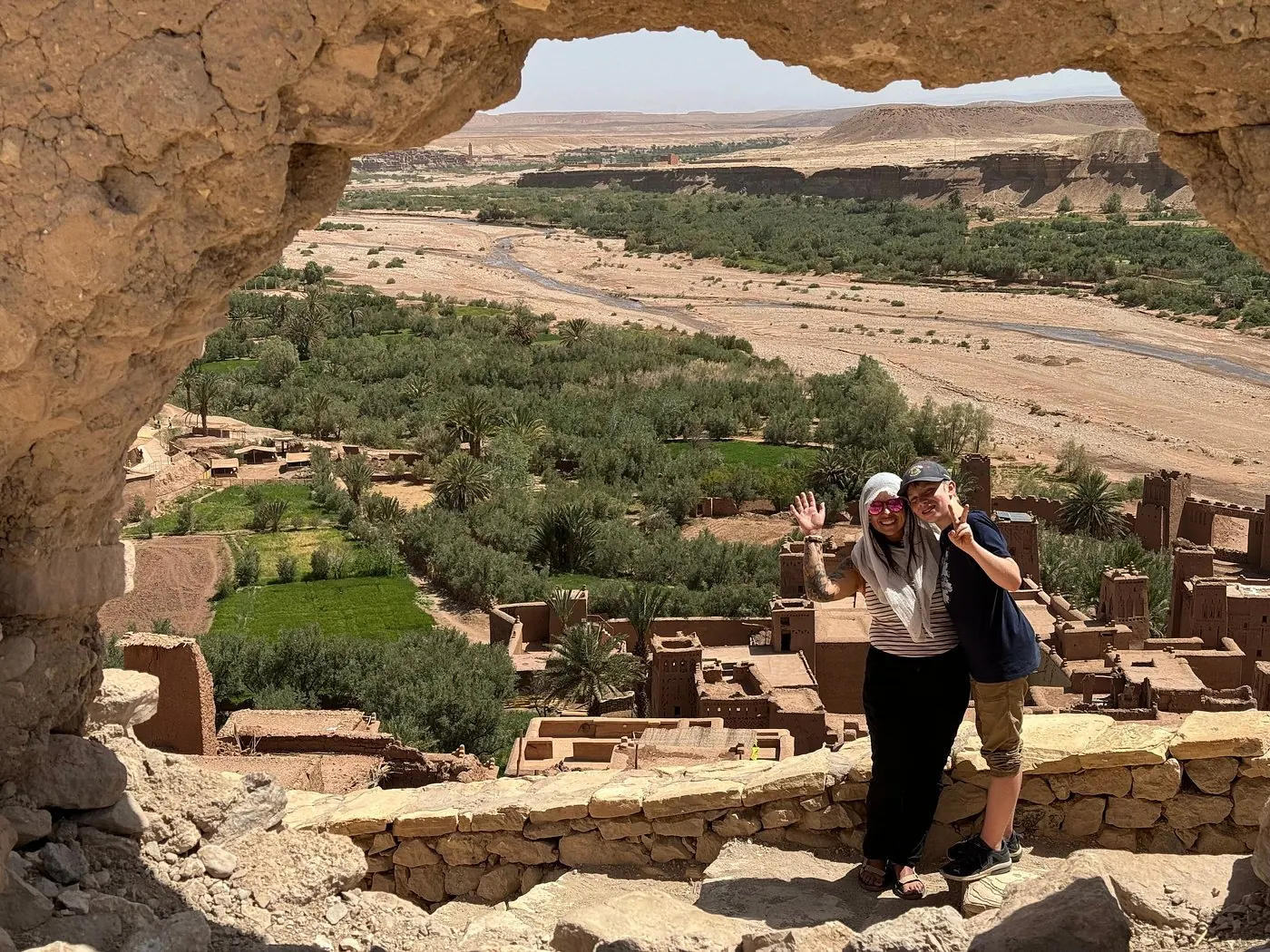
5 daysMarrakech and the SaharaTwo days in Marrakech, then three days over the Atlas to the Merzouga dunes and back through Ait Ben Haddou. Our 5 day Morocco itinerary compares four versions.
7 daysMarrakech, the desert and FesCross the country from Marrakech to Fes through the Sahara, or loop through the deep south. See the 7 day Morocco itinerary and the 7 day South Morocco tour.
10 daysThe classic grand tourMarrakech, the Atlas, the Sahara, Fes and Chefchaouen, with time for a trek or the coast. Our 10 day Morocco itinerary shows the stages.
In November, we plan driving days so that you arrive before dark, which comes early. That usually means leaving after an early breakfast and keeping long scenic stops for the morning.
What to pack for Morocco in November
- Layers. T-shirts for warm afternoons, a fleece or light down jacket for evenings and a warm hat for the desert night.
- A waterproof jacket if you are visiting Fes, Chefchaouen or the north.
- Comfortable closed shoes for the medinas and the dunes, and boots if you are trekking.
- Sunglasses and sunscreen. The autumn sun is still strong, especially at altitude and in the desert.
- Modest clothing that covers shoulders and knees for villages and religious sites. Our guide on what to wear in Morocco has more detail, and the desert packing list covers the camp night.
“In November, the desert gives you warm afternoons, cold nights and the clearest stars of the autumn. Bring a good jacket and you will have the best of both.”
Is November a good time to visit Morocco?
Yes, for most travellers it is one of the best. If your priority is the Sahara, the imperial cities or gentle walking in the Atlas, November offers comfortable temperatures and calmer sights. If you want beach weather, guaranteed summit conditions on Toubkal or long summer evenings, choose another month. And if your dates slip into December, read Morocco in December for the winter version of the same journey.
Planning a November trip? Browse our private Morocco tours and Sahara desert tours, then send us your dates or message us on WhatsApp for a free, no-obligation quote.