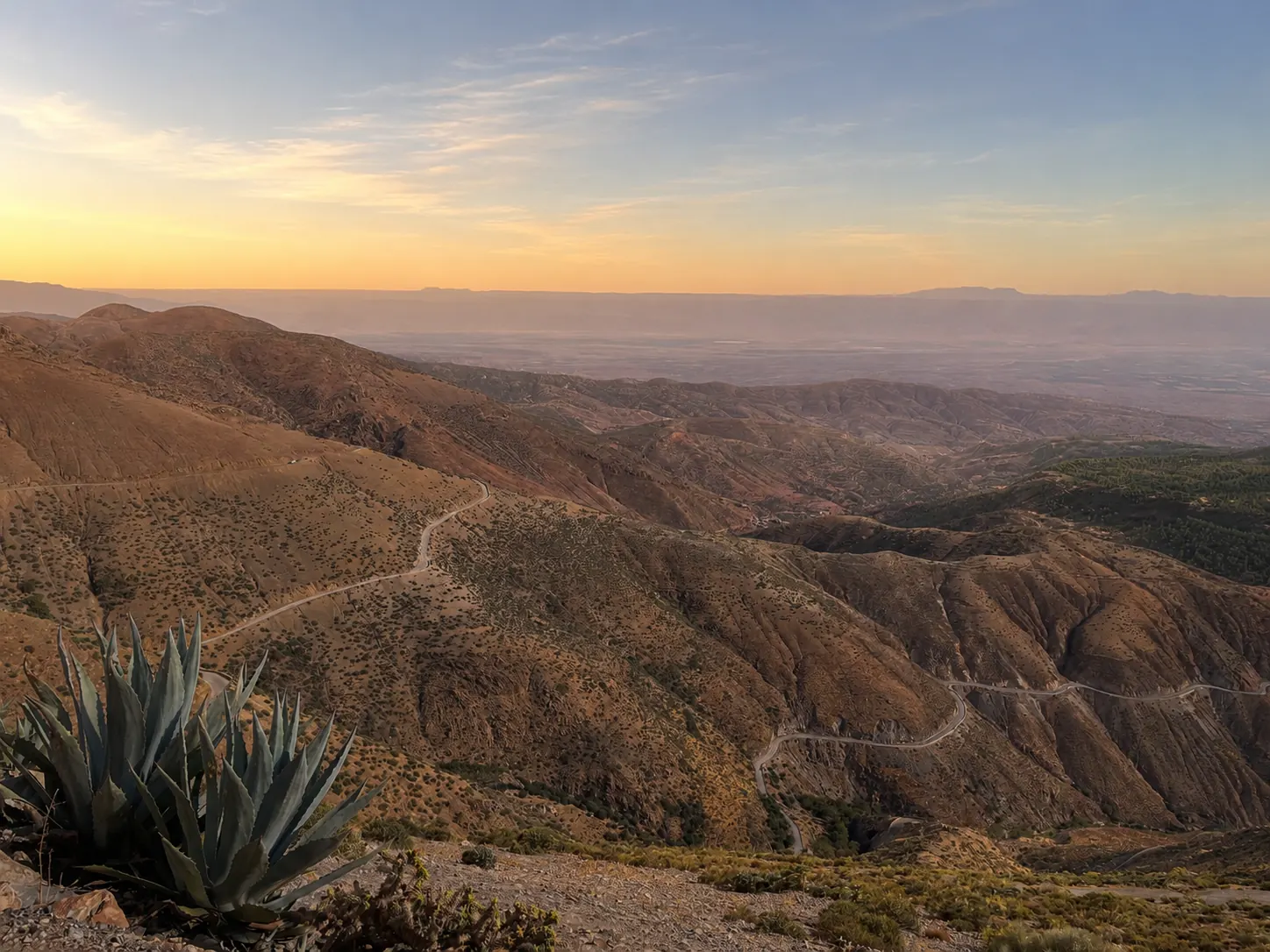
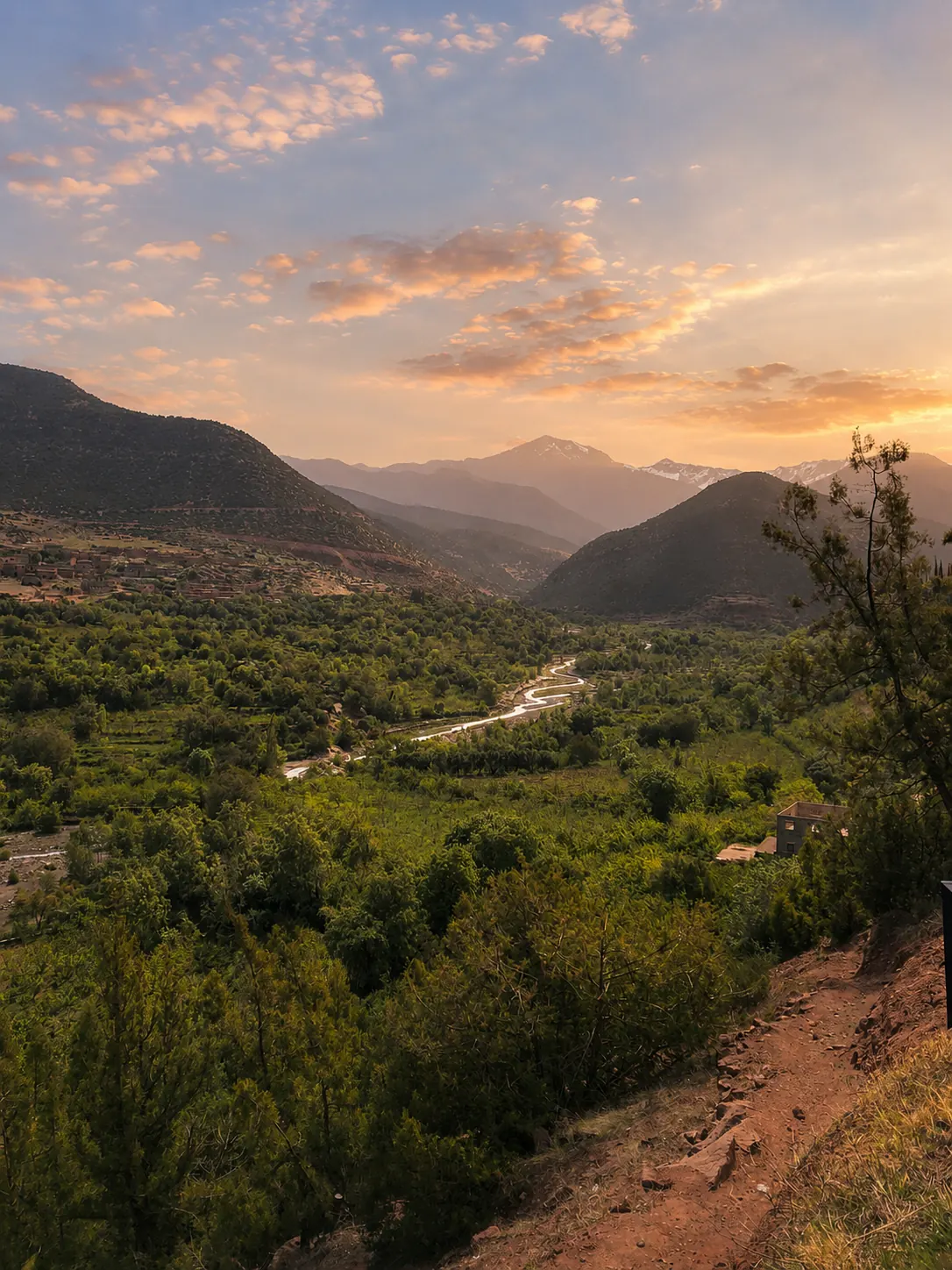
March is when Morocco wakes up. The valleys of the Atlas turn green, the almond and fruit trees blossom in the mountains, the desert is warm by day without being hot, and the snow still shines on the high peaks. It is one of my favourite months to travel with guests, and one of the busiest, so it rewards a little planning. In 2027 it also has a particularity: Ramadan ends in the first days of the month.
The short answer: March brings warm, sunny days (around 22 to 24°C in Marrakech and the Sahara), cool nights and green landscapes. It is an excellent month for the whole classic route: cities, the Atlas valleys and the desert. Expect more visitors from mid-March and around Easter, book riads and desert camps early, and note that in 2027 Ramadan is expected to end around 9 or 10 March.
Morocco weather in March, region by region
These are approximate averages to help you plan. Spring weather changes quickly, so check the forecast a few days before you travel.
| Region | Day | Night | What to expect |
|---|---|---|---|
| Marrakech | About 22–24°C | About 9–11°C | Mostly sunny, pleasant for walking; a few showers possible |
| Fes and Meknes | About 19–21°C | About 7–9°C | Mild, greener and still sometimes rainy |
| Chefchaouen and the Rif | Mild | Cool | The wettest region in spring; bring a waterproof layer |
| Sahara (Merzouga) | About 23–25°C | About 9–12°C | Warm afternoons, cool nights; wind and dust possible |
| High Atlas | Cool to mild in the valleys | Cold, freezing at altitude | Green valleys below, snow on the summits |
| Essaouira and the coast | About 19–21°C | Cool | Mild with a fresh Atlantic wind |
Days get noticeably longer through March, which makes long road days, such as the drive to the desert, far more enjoyable than in winter. For the dunes in detail, see our Merzouga weather guide.
Ramadan, Eid and holidays in March
Ramadan follows the lunar calendar and moves about eleven days earlier each year, so its place in March changes from year to year.
- March 2027: Ramadan is expected to run from around 8 February to the beginning of March, with Eid al-Fitr expected on 9 or 10 March 2027. The exact dates are confirmed by the sighting of the new moon, announced in Morocco shortly beforehand. Eid is a public holiday: families gather, many shops close for a day or two and roads and buses are busy as people travel home.
- March 2028: Ramadan is expected to finish in late February, so March should be outside the fasting month.
Travelling during Ramadan or Eid is perfectly possible, and many guests find it a memorable time to be in Morocco. Our guide to Ramadan in Morocco explains what changes for visitors.
March has no fixed national public holiday apart from these religious dates. It does, however, include school holidays in parts of Europe towards the end of the month, and Easter often falls in late March or April, which brings more visitors to Marrakech and the desert.
Where to go in Morocco in March
Marrakech
Marrakech is at its most pleasant: warm enough to eat on a rooftop at lunchtime, cool enough to walk the medina all day. The gardens, such as Majorelle and Le Jardin Secret, are in full bloom. See our things to do in Marrakech.
The Sahara
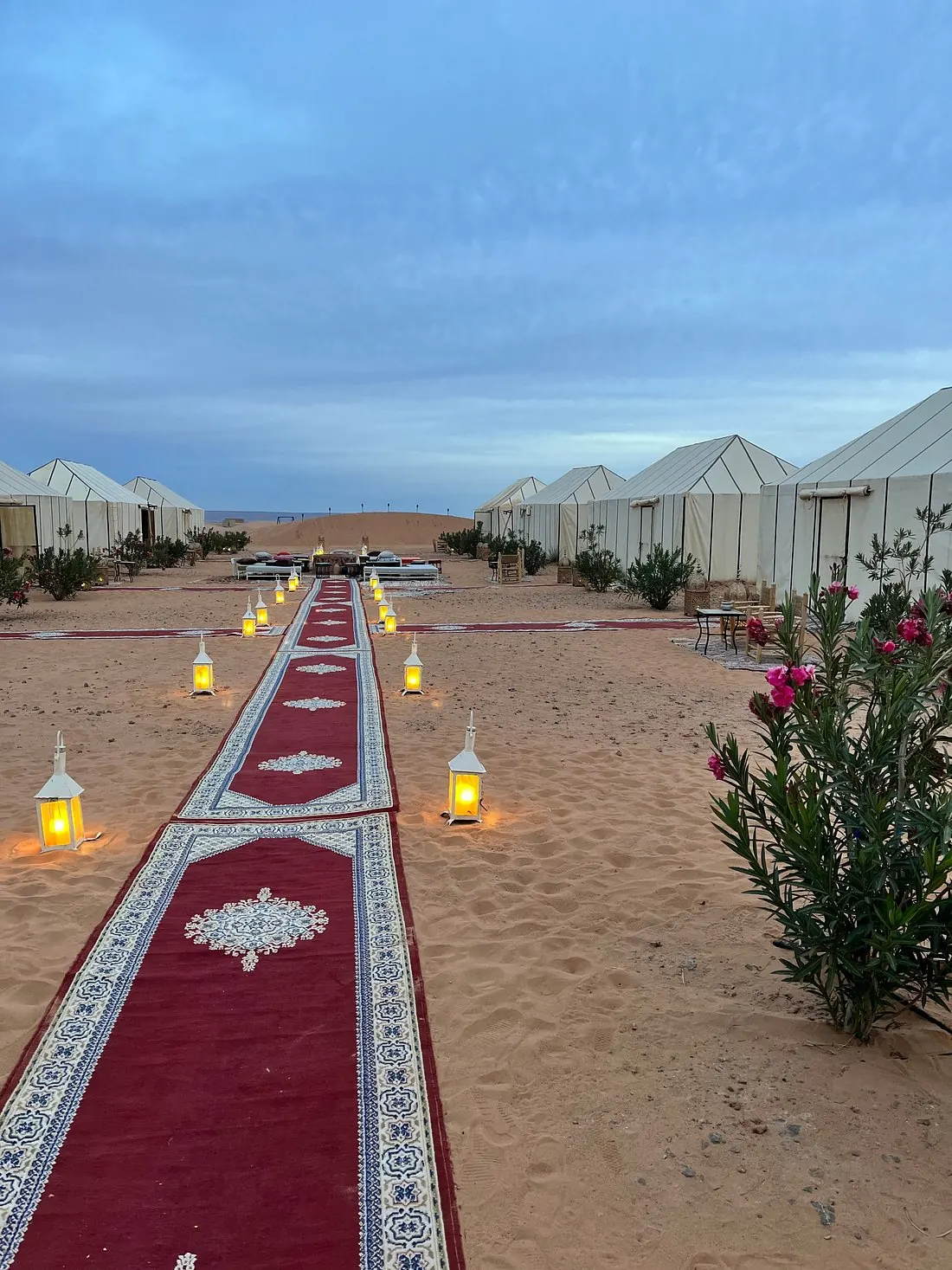
March is one of the best months for the dunes of Erg Chebbi and Erg Chegaga: no summer heat, sunny afternoons for a camel ride and nights cool enough to need a jacket but no longer freezing. It is also a popular month, so book desert camps in advance. Choose between the two great dune fields with Erg Chebbi vs Erg Chigaga, and see our Sahara desert tours.
The Atlas valleys
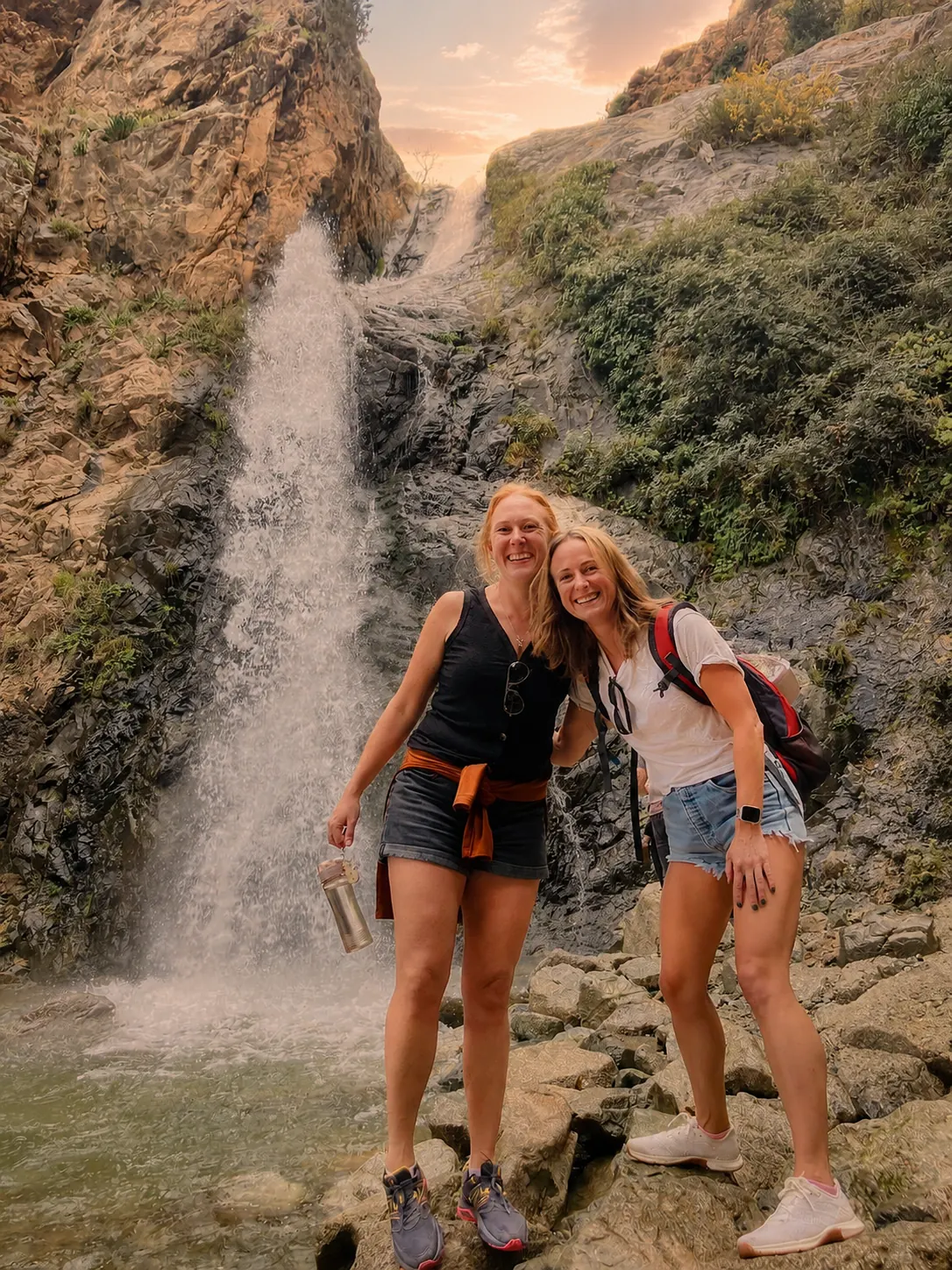
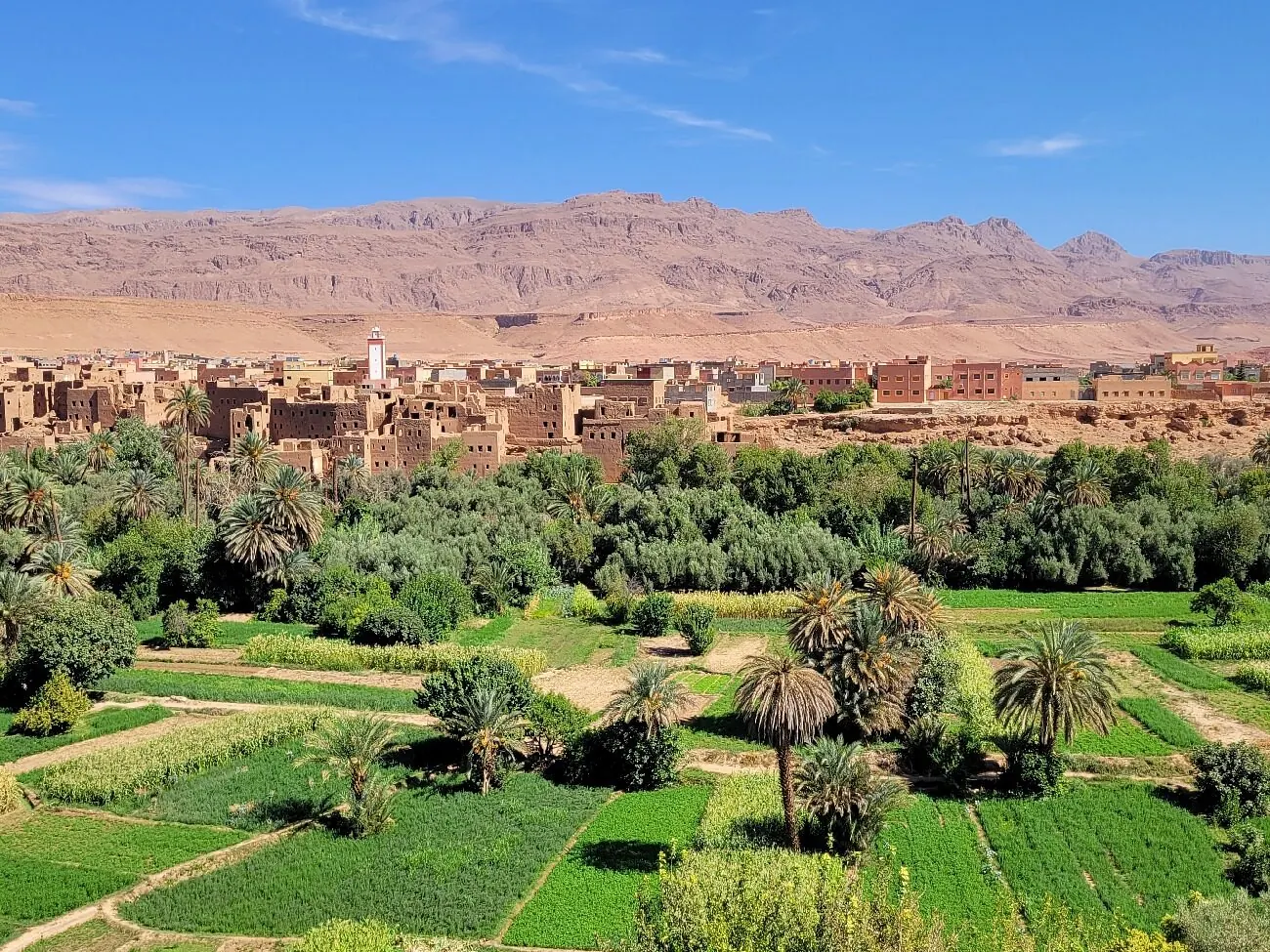
The Ourika Valley, Imlil and the villages of the High Atlas are at their greenest, with snow still on the peaks above. It is a wonderful month for village walks. Toubkal, however, is usually still under snow in March and should be climbed only with winter equipment and an experienced guide; read our Toubkal guide. See our Ourika Valley day trip and the Imlil guide.
Jbel Saghro
Early March is still a good time for the volcanic Jbel Saghro, between the High Atlas and the Sahara, before it becomes too warm in late spring. See our 7 day Jbel Saghro trek.
Fes, Meknes and Chefchaouen
The north is green and fresh in March, with fewer visitors than in April and May. A few rainy days are possible, especially in Chefchaouen. See our things to do in Fes and Chefchaouen beyond the blue walls.
The Atlantic coast
Essaouira is mild and breezy, a good place for a relaxed end to a trip, though the sea is still cool for swimming. See our Essaouira day trip.
What to watch out for in March
- Busy weeks: mid-March to Easter is high season. Popular riads and camps fill up, so plan ahead.
- Spring wind in the desert: windy days and some dust are more common in spring. A scarf helps a lot.
- Snow on the passes: late snowfalls on the High Atlas are rare in March but possible. Keep a little flexibility.
- Changeable weather in the north: pack a waterproof layer for Fes and Chefchaouen.
- Eid in 2027: if you travel on Eid al-Fitr, expect busy roads and some closed shops.
A 7 day Morocco itinerary for March
- Day 1: arrive in Marrakech, evening on Jemaa el-Fna.
- Day 2: the medina, the Bahia Palace and the gardens in bloom.
- Day 3: over the High Atlas, with snow on the peaks, to Ait Ben Haddou and the Dades Valley.
- Day 4: the Todra Gorge, then a camel ride into Erg Chebbi and a night in the dunes.
- Day 5: sunrise on the dunes and the Ziz Valley, then the cedar forests of the Middle Atlas.
- Day 6: Fes medina with a local guide.
- Day 7: Fes, then departure, or continue to Chefchaouen.
For more routes, see our Morocco itinerary planner and the Marrakech to Fes via Merzouga route guide.
What to pack for Morocco in March
- Light layers for the day and a warm fleece or light down jacket for the evenings and the desert night.
- A waterproof jacket for the north and the mountains.
- Comfortable walking shoes for the medinas and village paths.
- A scarf for the wind and dust in the desert, and for visiting religious sites.
- Sunglasses, a hat and sunscreen: the spring sun is already strong.
See our guides to what to wear in Morocco and the desert packing list.
Is March a good time to visit Morocco?
| Good for | Less good for |
|---|---|
| The classic route: cities and the Sahara | Travellers who want empty medinas |
| Green Atlas valleys and village walks | Climbing Toubkal without winter equipment |
| Comfortable desert days and nights | Beach holidays and swimming |
| Photography: snow, blossom and green oases | Last-minute bookings around Easter |
“In March you can have breakfast with snow on the Atlas in front of you and dinner in the warm sand of the Sahara two days later. That is spring in Morocco.”
Thinking of a spring trip? Read our month-by-month guide, browse our private Morocco tours, then send us your dates or write to us on WhatsApp.